A comparison of HHLA, Eurogate and JadeWeserPort, as well as typical points of contention during traffic jams and strikes in the German North Sea ports.
Demurrage and storage charges are calculated according to different rules in Hamburg, Bremerhaven, and Wilhelmshaven because various terminal operators and shipping companies work together in these locations. Traffic jams and strikes, in particular, cause delays that importers cannot control, yet for which they are expected to pay. Rogert & Ulbrich reviews these claims and defends against excessive charges.
Why demurrage is becoming a point of contention in German North Sea ports
The German North Sea ports are the gateway for a large proportion of Germany's container imports. Those importing via Hamburg, Bremerhaven, or Wilhelmshaven are therefore subject to the demurrage and storage charge regulations in those ports. These vary from port to port and depending on the terminal operator, making cost control difficult.
Furthermore, delays are often not within the recipient's control, but rather caused by terminal congestion, staff shortages, or labor disputes. Despite this, demurrage and storage charges often continue to accrue unabated. This is precisely where the dispute arises, and precisely where an audit is worthwhile.
An overview of our consulting services transport and forwarding law You can find it on our service page.
Are you receiving demurrage charges from a North German port? Have it checked which regulations apply in that specific port and whether the charge is justified.
Demurrage, detention and terminal storage fees – who charges what?
A common misconception is that all demurrage charges come from the shipping company. In reality, several parties with differing claims are involved, making correct attribution crucial.
- Demurrage: Demurrage charged by the shipping company for the full container that remains in the terminal for longer than the release time after unloading.
- Detention: Usage fee charged by the shipping company for the container that has left the terminal and is not returned as an empty container in time.
- Terminal storage fees: Fee charged by the terminal operator, such as HHLA or Eurogate, for the use of parking or storage space in the terminal.
In practice, importers thus encounter two billing parties: the shipping company for demurrage and detention, and the terminal operator for storage fees. Both claims can run concurrently and are based on different contracts and tariffs. Those who fail to keep these claims clearly separated can quickly end up paying twice or on an unclear basis.
Unsure who is making which claim? Have the invoices matched before you settle any of them.
An overview of the three ports: Hamburg, Bremerhaven and Wilhelmshaven
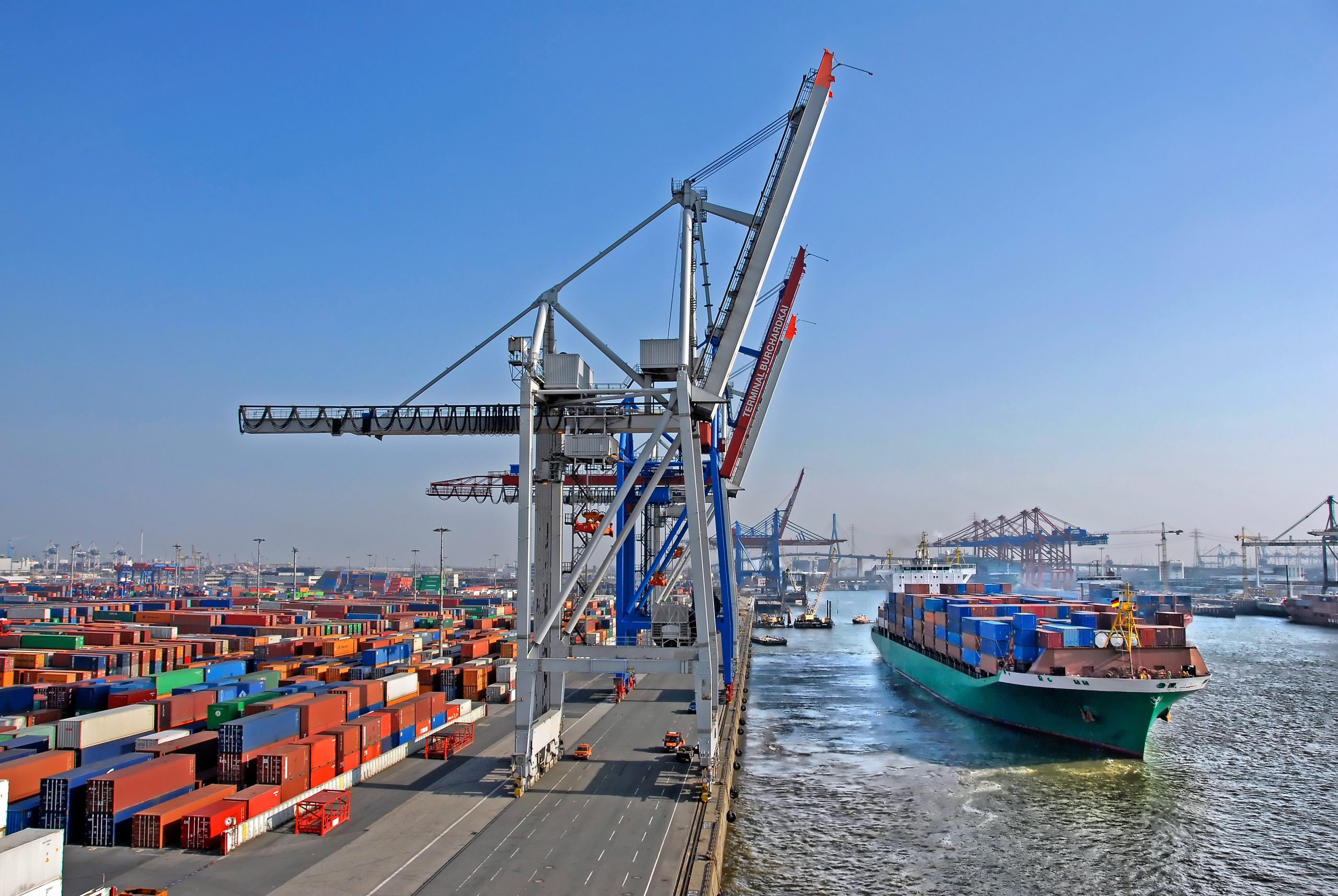
In Hamburg, the HHLA terminals at Burchardkai, Altenwerder, and Tollerort, as well as the Eurogate Container Terminal, are dominant. We also serve local clients as Lawyer for transport law in Hamburg responsive.
In Bremerhaven, Eurogate and its joint venture with MSC dominate the landscape; the nearby Bremen location can be found on our website. Transport law in Bremen Covered. Wilhelmshaven, with its JadeWeserPort operated by Eurogate, is the only German deep-water port and is increasingly used for large container ships.
In practice, this diversity means that release times, storage fees, and procedures differ depending on the port and terminal. A container in Wilhelmshaven may be subject to different rules than the same container in Hamburg. Anyone importing via multiple ports should be aware of and document the respective conditions.
Editorial note: Please verify the specific release times and storage fees of the individual terminal operators from their official tariff information before publication.
Do you import via several North German ports? Have a port-specific overview of the applicable regulations prepared for you.
Traffic jams and strikes: When delays are not in your control
High charges are particularly common when the port itself experiences disruptions. Terminal congestion due to high volume, ship delays, or a lack of truck and rail capacity means that containers cannot be picked up or returned on time. The recipient has no control over this, yet is expected to pay the demurrage.
Furthermore, labor disputes have occurred: In recent years, warning strikes during the seaport wage negotiations have repeatedly affected the ports of Hamburg, Bremerhaven, and Wilhelmshaven, at times bringing operations to a virtual standstill. Such circumstances are beyond the recipient's control and constitute a strong argument against imposing a charge. Crucially, the cause and timeline must be fully documented.
Editorial note: Please check the current status of the seaport wage negotiations and any ongoing labor disputes before publication.
Has a traffic jam or strike blocked your container? Secure the evidence and have your objections reviewed early.
Typical points of contention and how to defend against claims
The conflicts in the North Sea ports are similar, regardless of the specific location. Those who know the typical points of contention can counter them effectively.
- No-fault burden: Shipping companies often charge demurrage regardless of the reason. Whether the clause is permissible to do so is a question of its validity.
- Double demands: The shipping company's demurrage and the terminal's storage fees are claimed separately. Both must be examined independently.
- Unclear release times: Disputes arise when the actual number of days off granted differs from the number calculated.
- Force majeure in case of strike: In labor disputes, it must be examined whether the delay can actually be attributed to the recipient.
Whether an underlying shipping company clause is enforceable at all is clarified in detail in our article on when shipping companies' demurrage clauses are ineffective. Furthermore, value-added services at the terminal may also be subject to a... Unlimited liability for Value Added Services become relevant.
Are you facing a claim regardless of fault? Have the clause and the reason for the claim reviewed before you pay.
Practical checklist for importers with connections to Northern Germany
Those who regularly import via the North Sea ports can significantly reduce their cost risk with a few measures:
- Port and terminal designation: Find out which terminal operator is involved and what tariffs apply.
- Separate shipping company and terminal claims: Assign each invoice to the correct invoice issuer and contract.
- Compare release times: Check whether the calculated days correspond to the agreed time off.
- Document malfunctions: Document traffic jams, strikes, or document problems with data and evidence.
- Meet deadlines: Raise your objections in good time to avoid the statute of limitations and preclusion.
This structure allows many claims to be reduced out of court because strict liability or double charges are untenable. If an agreement cannot be reached, legal action will follow. The sooner you act, the stronger your position.
Do you want to reduce your cost risk in the North Sea ports? Have your processes and contracts reviewed.
Rogert & Ulbrich – Your lawyers in transport and forwarding law
Rogert & Ulbrich advises importers, freight forwarders, and logistics companies on demurrage, detention, and storage charge claims from German North Sea ports. The lawyers Dr. Marco Rogert and Tobias Ulbrich and their multilingual team are familiar with the procedures at the HHLA and Eurogate terminals from practical experience.
We assign claims to the correct invoice issuer, review the validity of the clauses, assess the causes of delays, and enforce your objections. Through our Dutch Desk We also take into account the Dutch legal situation regarding traffic via Rotterdam and Antwerp.
Whether it's excessive demurrage, double storage fees, or strike-related delays: Arrange a settlement. initial consultation and secure your claims.