Network liability and uniform liability, the crucial evidence of the place of damage, and typical disputes in door-to-door shipments
When transport involves multiple modes of transport, liability often hinges on a single question: On which leg of the journey did the damage occur? Section 452 of the German Commercial Code (HGB) and its related provisions determine which law applies, and the amount of liability depends on this. Rogert & Ulbrich clarifies the location of the damage and enforces your claims.
Multimodal transport including sea route – when Section 452 of the German Commercial Code (HGB) applies
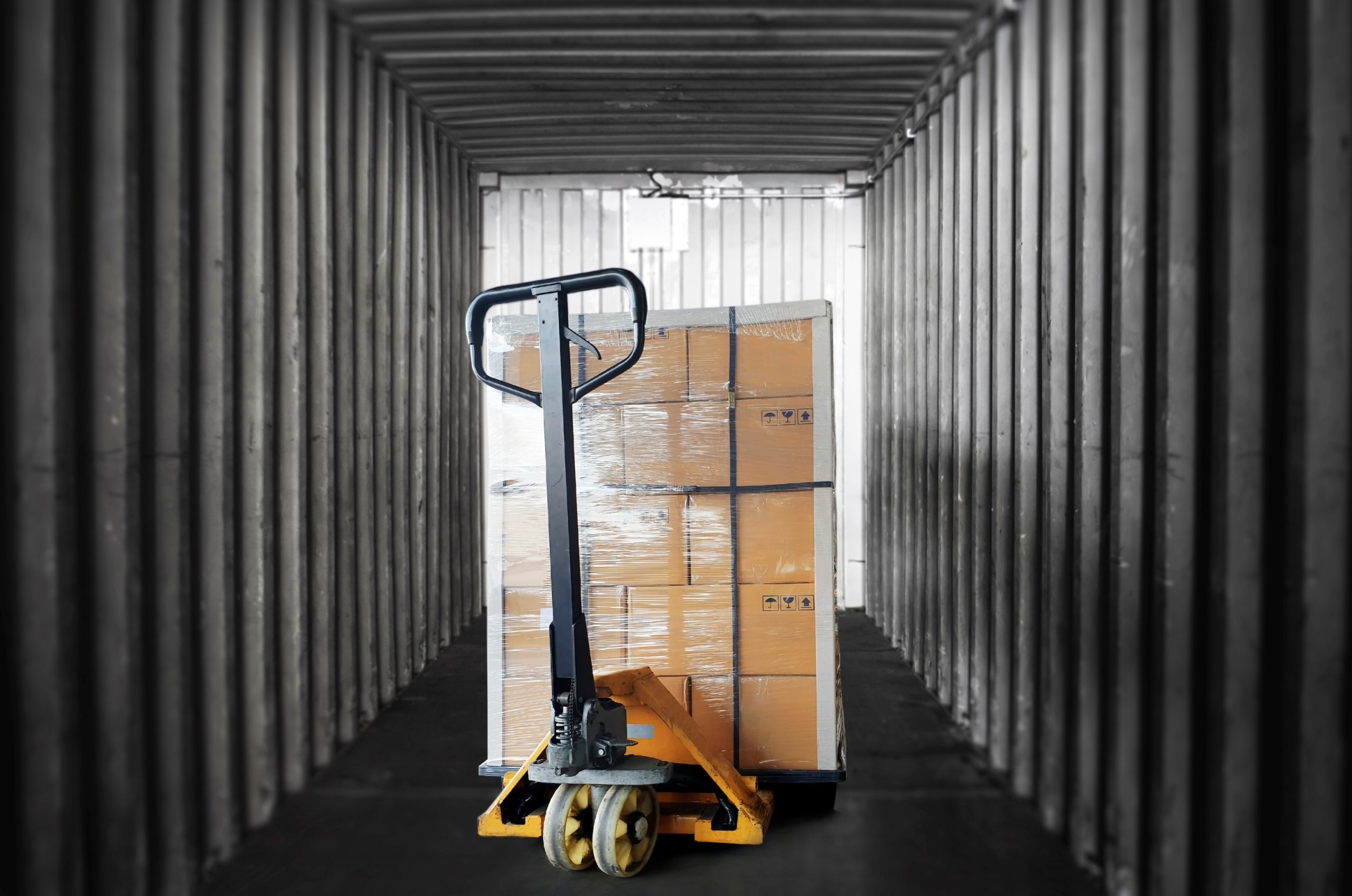
Multimodal transport exists when a shipment is transported using different modes of transport under a single freight contract, for example, by truck from the factory, by sea across the ocean, and then by truck again to the recipient. Section 452 of the German Commercial Code (HGB) applies if at least two different legal regulations would apply to the individual legs of the journey under separate contracts. This is precisely the case with a combination of road and sea transport.
For a typical door-to-door shipment in a container, this means: one contract, but multiple liability regimes that can apply depending on where the damage occurs. This structure is the reason why multimodal claims are legally complex and the amounts in dispute are often high.
Our service page offers more in-depth information on this topic. multimodal transport and liability for freight damage; you can find a complete overview in the section transport and forwarding law.
Has your merchandise been damaged during multimodal transport? Find out which liability regime applies in your case.
Network liability and uniform liability – the two basic models
The law recognizes two opposing basic models for multimodal transport, the interplay of which forms the core of liability.
- Uniform Liability: If the place of damage is unknown, the general provisions of freight law in Sections 407 et seq. of the German Commercial Code (HGB) apply uniformly, regardless of the specific mode of transport, according to Section 452 HGB.
- Network Liability: If the place of damage is established, liability is determined according to Section 452a of the German Commercial Code (HGB) by the provisions that would apply to a separate contract for that leg of the journey. For the sea leg, this is the law of maritime freight.
The difference is significant because the regimes provide for different maximum liability amounts and exemptions. On sea routes, the lower maximum amounts under maritime law and the liability privileges such as nautical negligence and fire generally apply. On road routes, however, the rules applicable to road transport apply. Which model is applied depends solely on whether the location of the damage is known.
Unsure which model applies in your case? Have it checked whether the location of the damage is established and which regime results from it.
Known location of damage: partial liability according to § 452a HGB
If it is established that the damage occurred on a specific leg of the journey, i.e., that the cause of the damage originated there, Section 452a of the German Commercial Code (HGB) refers to the law applicable to that leg. In the case of damage on the sea route, maritime law applies; in the case of damage on the road route, the law governing road freight transport applies.
For the cross-border section of the road, this could mean the CMR Convention This means that for the sea leg, the applicable rules are the maritime freight regulations of the German Commercial Code (HGB) and internationally agreed regulations. An open question is whether a choice of law made for the overall contract also applies to the hypothetical partial leg contract; the prevailing opinion affirms this, but it depends on the individual case.
Because the regulations governing the different sections of the route are so different, the location of the damage directly determines the amount of your claim. This is precisely why the location of the damage is so frequently disputed.
Was your claim attributed to a specific section of the route? Have it checked whether this attribution and the resulting regulations are valid.
The evidence of the location of the damage – the decisive question of proof
The most important practical question is who bears the burden of proof regarding which section of the journey the damage occurred on. Section 452a of the German Commercial Code (HGB) requires that the place of damage be established. If the location cannot be determined, the uniform liability under Section 452 HGB remains in effect.
This results in a strategically significant distribution: Whoever invokes the more favorable partial-leg liability regime must prove the location of the damage. For example, if the carrier wants to utilize the lower maximum amounts under maritime law, they must prove that the damage occurred during the sea voyage. If this proof fails, the often more favorable uniform liability applies. Therefore, the uncertainty regarding the location of the damage is frequently an advantage for the injured claimant. Careful documentation of the shipment at the interfaces between modes of transport is crucial in this regard.
Is the location of the damage unclear in your case? Have it examined to determine what liability arises and who bears the burden of proof.
Notice of damage and statute of limitations in the multimodal contract
In addition to liability, deadlines must be observed. Section 452b of the German Commercial Code (HGB) governs the notification of damage and the statute of limitations for multimodal freight contracts. This means that uniform requirements apply to the timely notification of damage and the limitation period for claims, even if the law of a particular leg of the journey is decisive for liability itself.
We have explained separately how short the deadlines under transport law are and how they can be suspended; an overview is available on our service page on the topic. Deadlines in transport and forwarding law. It is important to file the complaint in a timely and legally sound manner, as missing a deadline can invalidate the claim.
Is your deadline about to expire? Have your claim and the statute of limitations checked before you lose your right to claim.
Typical door-to-door disputes and a guide to action
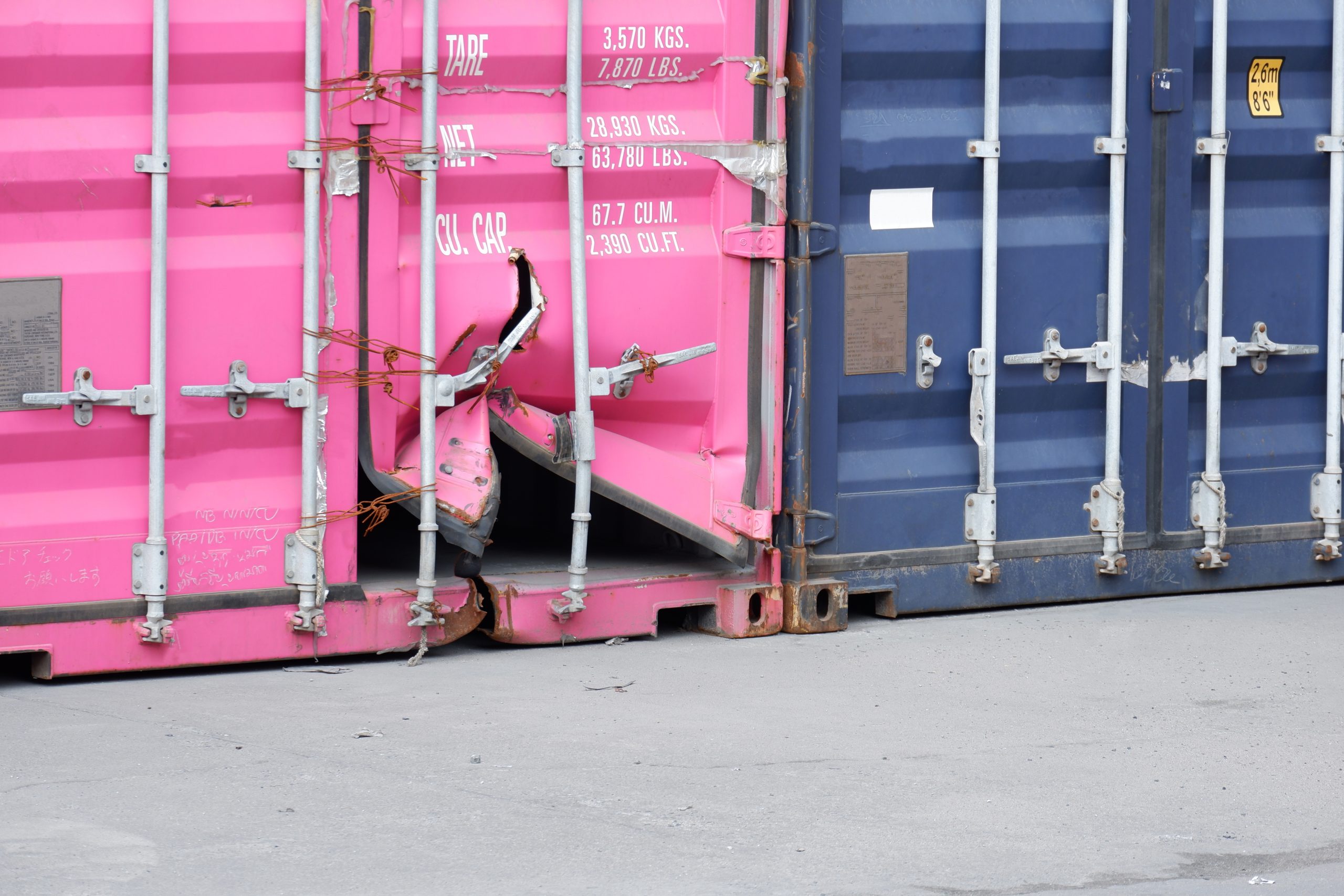
Most disputes arise with door-to-door shipments where damage is only discovered at the destination and the point of origin is unclear. The following steps will help secure your position:
- Document the shipment history: Record the handover points, transshipment points and the condition at the interfaces of the transport modes.
- Check the site of the damage: Determine whether the damage can be attributed to a specific section of the route or whether it remains unknown.
- Determine the regime: Determine whether uniform liability or a partial route regime applies and what the resulting maximum amounts are.
- Use the burden of proof: Keep in mind that if the opposing party invokes a more favorable regime, the burden of proof lies with the other party to prove the location of the damage.
- Meet deadlines: File your damage report in a timely manner and keep the statute of limitations in mind.
Especially in international cases, early legal counsel is advisable, as the amounts in dispute are high and the legal systems complex. We provide advice on cross-border situations within the framework of… advice on international transport law. The sooner the location of the damage and the applicable regime are clarified, the stronger your position will be.
Is a multimodal claim a possibility? Have the location of the damage, the applicable procedures, and the deadlines reviewed.
Rogert & Ulbrich – Your lawyers in transport and forwarding law
Rogert & Ulbrich advises shippers, freight forwarders, carriers and insurers on multimodal claims involving sea transport. The lawyers Dr. Marco Rogert and Tobias Ulbrich and their multilingual team are familiar with Sections 452 et seq. of the German Commercial Code (HGB), the partial route regimes, and the case law on the place of damage from daily practice.
We clarify the location of the damage, determine the applicable legal regime, utilize the burden of proof, and enforce your claims or defend against excessive demands. Through our Dutch Desk We also take into account the Dutch legal situation regarding traffic via Rotterdam and Antwerp.
Whether the location of the damage is unclear, a disputed route regime is in place, or a deadline is looming: Arrange a initial consultation and secure your claims.