
Carrier liability, maximum liability amounts, notification of damage and burden of proof in case of concealed damage in maritime transport
If goods in a container are damaged by saltwater, a fall, or breakage, the question of liability immediately arises. The carrier is generally liable under Section 498 of the German Commercial Code (HGB), but can be exonerated in certain cases, and the amount of liability is limited. Rogert & Ulbrich enforces your claims against the shipping company and insurers, adhering to the strict deadlines.
The damage scenario: saltwater, fall and damage inside the container.
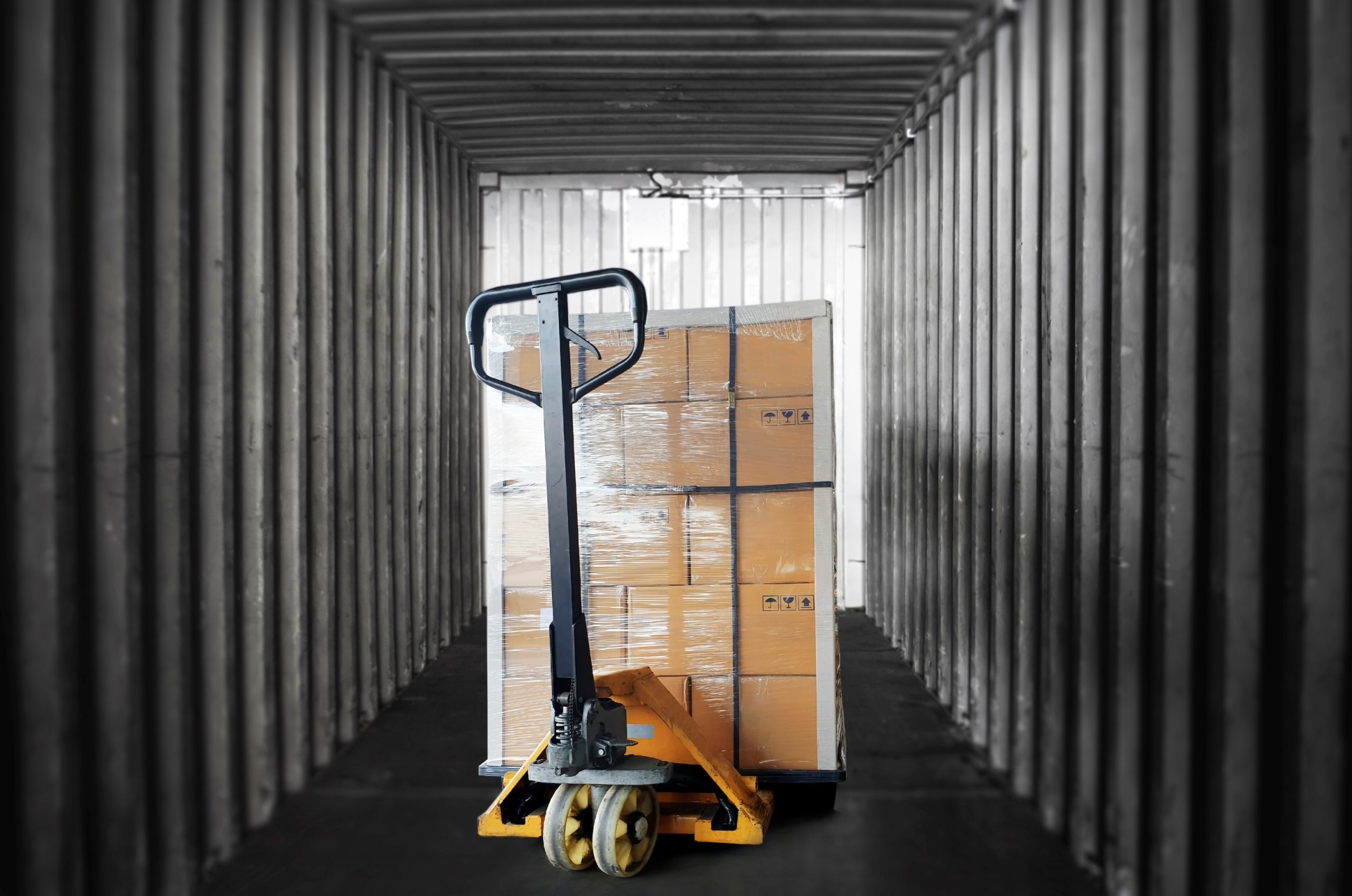
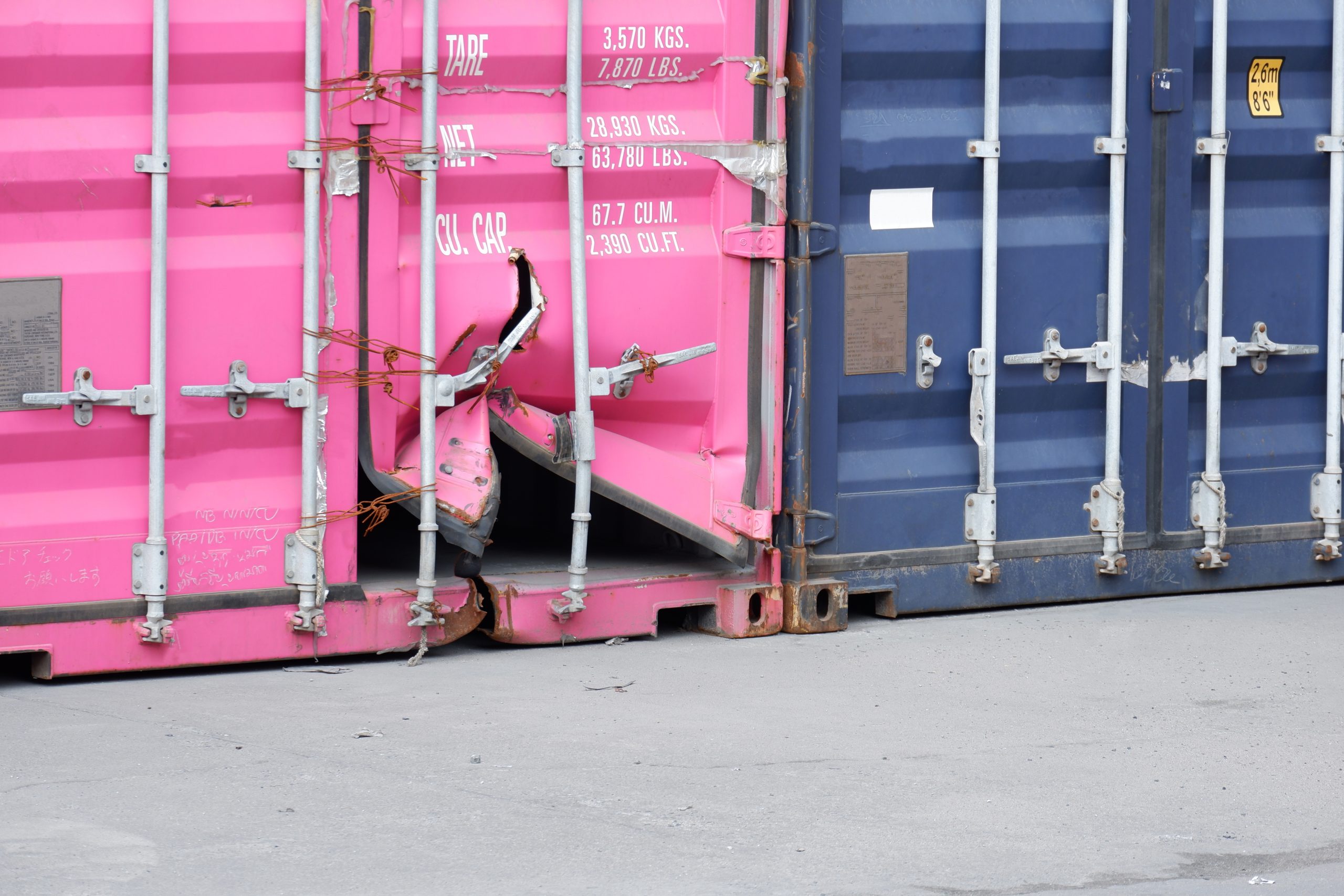
Container damage at sea follows typical patterns. Saltwater penetrates during severe weather or leaking containers, containers are knocked over in storms or due to improper stowage, and mechanical damage occurs during handling. For the importer, only one thing matters in the end: the goods are damaged and the damage must be compensated.
The legal process follows a clear procedure: First, it must be determined whether the carrier is liable, then whether they can exonerate themselves, and finally, the amount of the claim. At the same time, the carrier's own transport insurance must be reviewed.
An overview of our consulting services transport and forwarding law You can find it on our service page.
Did your goods arrive damaged in the container? Document the condition immediately with photos and have your claims reviewed.
Who is liable? The carrier's liability according to § 498 of the German Commercial Code (HGB).
The starting point is the carrier's liability under Section 498 of the German Commercial Code (HGB). According to this section, the carrier is liable for damages resulting from loss of or damage to the goods during the period from acceptance to delivery. This liability is subject to a presumption of fault: the carrier is liable unless the damage is due to circumstances that even the diligence of a prudent carrier could not have prevented.
This is a favorable starting point for the aggrieved importer, because they do not have to prove fault; instead, the carrier must prove their innocence. However, this is conditional on German law being applicable and the damage occurring within the liability period. In the case of multimodal transport by sea, it is crucial that the damage occurred during the sea voyage.
Unsure whether the carrier is liable? Have the liability period and applicable law reviewed.
When the carrier is not liable: nautical negligence, fire and maritime hazards
Carrier liability is not absolute. Section 499 of the German Commercial Code (HGB) provides privileges for certain causes of damage, in which the carrier may be exempt from liability. These exceptions stem from the international tradition of maritime law and are regularly the subject of dispute in practice.
- Nautical fault: The carrier is not liable for negligence on the part of the crew in the operation or handling of the ship under the statutory conditions, unlike in the case of negligence in the handling of the cargo.
- Fire: The carrier is liable for damage caused by fire only in cases of its own fault, not for any fault on the part of the crew.
- Dangers of the sea: If a typical maritime hazard materializes, this can lead to exoneration, provided the carrier has exercised the necessary care.
The crucial point is precise differentiation: Saltwater damage caused by insufficient seaworthiness or inadequate stowage is attributable to the handling of the cargo and regularly establishes liability. Whoever clearly identifies the cause can refute the carrier's claim to a privilege. This is precisely the crux of many disputes.
Is the shipping company citing nautical negligence or fire? Have it checked whether the cause is actually eligible for preferential treatment.
Maximum liability amount and the container trap
Even if the carrier is liable, the amount is limited. According to Section 504 of the German Commercial Code (HGB), compensation is limited to 666.67 units of account per piece or unit, or to 2 units of account per kilogram of gross weight, whichever is higher. The unit of account is the Special Drawing Right, the value of which is determined by a daily fluctuating exchange rate.
Containers have a crucial peculiarity that can quickly become a trap. The decisive factor is whether the individual packages contained within the container are listed on the bill of lading. If so, each package counts as a separate unit, significantly increasing the maximum compensation. If the listing is missing, the entire container is considered a single unit, resulting in considerably lower compensation. Therefore, carefully listing the packages on the bill of lading can save you money.
Editorial note: Check the current conversion rate of the Special Drawing Right before publication; no fixed euro amount is given in the text.
In cases of gross negligence, the limitation does not apply: According to Section 507 of the German Commercial Code (HGB), the carrier cannot invoke the maximum amounts if he caused the damage intentionally or recklessly and with the knowledge that damage was likely to occur. In that case, he is liable for the full amount.
Has your compensation been reduced to one container unit? Have it checked whether the packages are correctly recorded and whether the limitation even applies.
Damage report and evidence gathering in cases of hidden damage
The most frequent and costly mistake is failing to report damage. According to Section 510 of the German Commercial Code (HGB), externally visible damage must be reported no later than upon delivery. Damage that is not externally visible, i.e., concealed damage, must be reported within three days of delivery.
If this deadline is missed, a presumption against the recipient applies: it is assumed that the goods were delivered complete and undamaged. While this presumption can be rebutted, it significantly shifts the burden of proof and makes enforcement more difficult. Especially with containers, damage often only becomes apparent upon unpacking, making the short three-day deadline crucial. The report must describe the damage with sufficient clarity and should be documented in a way that ensures proper evidence, accompanied by photos, a damage report, and, where possible, a joint statement of facts.
Have you discovered hidden damage? Report it immediately and document it before the three-day deadline expires.
International regulations and your guide to action
Which rules apply depends on the bill of lading and the applicable law. In addition to German maritime law, international conventions also play a role, which differ in their liability provisions.
- The Hague-Visby Rules: Widely used and the basis of many bills of lading; they recognize privileges for nautical fault and fire. German law is largely based on them.
- Hamburg rules: More advantageous for the shipper, especially without the privilege of nautical fault; however, hardly adopted by major trading nations.
- Rotterdam Rules: A modern, comprehensive set of rules that has not yet come into force and therefore plays practically no role.
Editorial note: Check the current ratification and entry into force status of the Rotterdam Rules before publication.
For practical purposes, a structured approach is recommended: document the damage immediately, file the damage report within the prescribed time limit, clarify the applicable law and regulations, determine the cause, and keep the short limitation period in mind. At the same time, it should be clarified whether claims should be made against the shipping company, an executing carrier, or the company's own transport insurance. A separate article on the limitation periods in transport law will follow, addressing the short deadlines in maritime law.
Is there a potential claim for container damage? Have your claim, the applicable regulations, and deadlines reviewed before the statute of limitations takes effect.
Rogert & Ulbrich – Your lawyers in transport and maritime law
Rogert & Ulbrich advises importers, shippers, and insurers on container damage at sea. The lawyers Dr. Marco Rogert and Tobias Ulbrich and their multilingual team are familiar with carrier liability, liability privileges and international regulations from daily practice.
We investigate the cause of the damage, refute unjustified liability privileges, review maximum amounts and the container rule, and enforce your claims against the shipping company and insurer. Through our Dutch Desk and as Transport law attorney in Rotterdam We also accompany traffic through the Dutch ports.
Whether it's saltwater damage, a toppled container, or a hidden fracture: Arrange a initial consultation and secure your claims.