What drivers need to know about clear visibility, winter tires and insurance coverage in the cold season
Ice on the windshield, snow on the roof, slippery roads: In winter, drivers have special obligations. Those who disregard them risk a fine and, after an accident, disadvantages regarding liability and insurance. Rogert & Ulbrich explains what's important and what you can do if you do receive a fine or have an accident.
Clear visibility is mandatory: windows, mirrors and window cleaner
According to Section 23 Paragraph 1 of the German Road Traffic Regulations (StVO), the driver is responsible for ensuring that their view is not impaired. A small peephole in an icy windshield is not sufficient. Anyone driving off in this condition can expect a warning fine of 10 euros. If this leads to an accident, it will be significantly more expensive, and the question of contributory negligence will arise.
You must scrape clear all windows necessary for visibility, i.e., the windshield, side windows, rear window, and exterior mirrors. Fogged-up windows on the inside also restrict visibility.
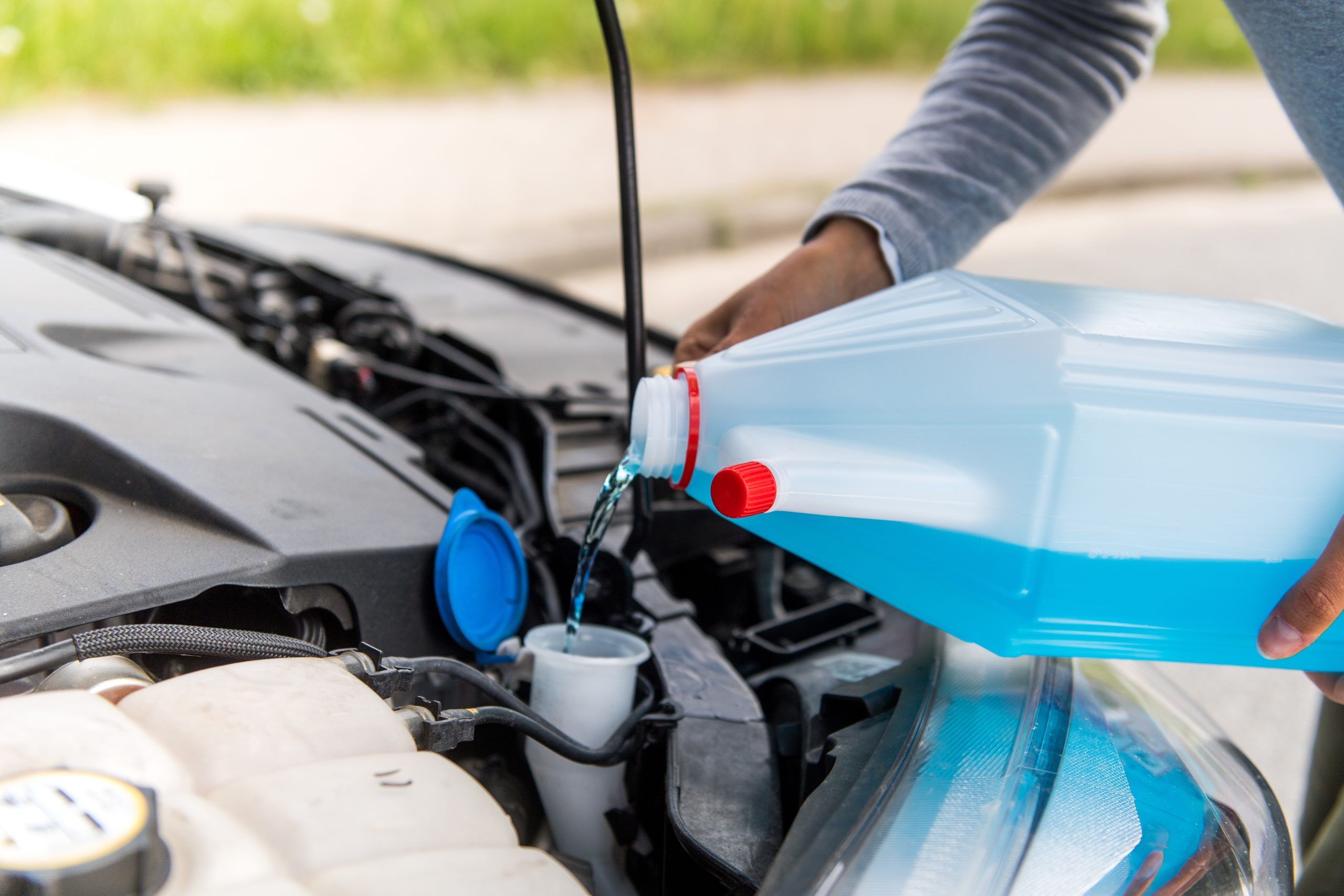
A functioning windshield washer system is essential for clear visibility. As auto motor und sport (issue 25/2026) advises, you should use up or empty the summer washer fluid before filling it with winter fluid, and then flush the system. This ensures the antifreeze reaches all the hoses and nozzles.
Set aside a few minutes in the morning to scrape the ice off your windshield. It's cheaper than any fine.
Snow on the roof and snow-covered license plates
The car roof must also be cleared of snow before driving. If a sheet of snow slides onto the windshield when braking or flies into the vehicle behind, it creates a significant hazard. Even without an actual danger, you risk a warning fine of €25. If damage occurs, you will be liable for the consequences.
License plates must also be legible. Driving with a snow-covered license plate will result in a €5 fine. The same applies to headlights and taillights, which can quickly become obscured by snow. According to Section 17 Paragraph 3 of the German Road Traffic Regulations (StVO), you must drive with dipped headlights even during the day if visibility is impaired by snowfall.
Completely remove the vehicle. A fine is the lesser problem; damage to third parties is the greater one.
Winter tire requirement: when it applies and which tires are permitted
In Germany, there is no calendar-based winter tire requirement, but rather a situational requirement according to Section 2 Paragraph 3a of the Road Traffic Regulations (StVO). In icy conditions, on snow-covered roads, slush, or roads with black ice or frost, you may only drive with suitable tires. Since October 1, 2024, tires with only the M+S marking are no longer sufficient. Only tires with the Alpine symbol, the mountain pictogram with a snowflake, are permitted.
Fines for violations are tiered:
- Driving without suitable tires: 60 euros and one point in Flensburg.
- Disability of others: 80 euros and one point.
- Endangering others: 100 euros and one point.
- Accident: 120 euros and one point.
- As a holderAnyone who orders or permits driving with unsuitable tires must expect a fine of 75 euros and one penalty point.
Tread depth is also important. The legal minimum is 1.6 millimeters, but for safety reasons, at least four millimeters are recommended for winter tires.
Have you received a fine notice for violating the winter tire requirement? Have it checked whether the accusation is actually true, for example, whether there were indeed wintery road conditions.
Letting the engine warm up: forbidden and unnecessary
Many drivers leave their engines running while scraping ice off their windshields. This is prohibited under Section 30 Paragraph 1 of the German Road Traffic Regulations (StVO), as unnecessary noise and avoidable exhaust emissions are forbidden. A fine may be issued. Furthermore, idling the engine while stationary does more harm than good, because it reaches its operating temperature more quickly under load.
A parking heater, on the other hand, is permitted because it operates without the engine running. This isn't a problem with electric cars. Here, it's worthwhile to preheat the interior and battery before setting off while connected to the charging cable. This protects the battery and improves the range. Our article explains why electric cars have a shorter range in winter anyway, and when this is no longer considered normal. Range of electric cars in winter.
Winter accidents: Liability and insurance coverage
If an accident occurs in winter, insurers and courts carefully examine whether the driver fulfilled their obligations. Anyone driving with summer tires or icy windshields must expect to be held partially responsible. This can shift the liability ratio against you, even if the other party was primarily at fault.
For your own comprehensive car insurance, Section 81 Paragraph 2 of the German Insurance Contract Act (VVG) applies. If the policyholder caused the damage through gross negligence, the insurer may reduce its payment in proportion to the degree of fault. Driving with summer tires on snow and ice can be considered gross negligence. However, many comprehensive car insurance policies waive the defense of gross negligence. It's worth checking your policy terms and conditions.
Third-party liability insurance covers damages to third parties in any case. Your protection for the other party involved in an accident does not depend on which tires you had fitted.
After a winter accident, you should document road conditions, tires, and weather with photos. This evidence will later determine the liability ratio.
What you should do after receiving a fine or having an accident
Not every accusation is justified. In cases of winter-related violations, the specific circumstances often matter:
- Clarify road conditionsThe winter tire requirement only applies in wintery conditions. If these conditions did not exist, the charge is invalid.
- Have your tires checkedIf your tires have the Alpine symbol and sufficient tread, the accusation is unfounded.
- Pay attention to deadlinesYou can appeal a penalty notice within two weeks of its delivery.
- Document the accidentPhotos of the road, vehicles, and weather will secure your position with insurance companies.
- No hasty declarations.Do not admit fault to the opposing insurance company.
Further information on fines, accidents and driving bans can be found in our section. traffic law.
Rogert & Ulbrich: Your lawyers in traffic law
Rogert & Ulbrich represents motorists nationwide in all matters of traffic law, from fine proceedings and accident claims to disputes with their own insurance company. Attorneys Dr. Marco Rogert and Tobias Ulbrich and their team are familiar with the typical arguments of authorities and insurers and know where decisions and reductions can be challenged.
We review your penalty notice, file an appeal within the deadline, and inspect the case file. After an accident, we enforce your claims against the opposing insurance company and defend against unjustified reductions in benefits from your comprehensive insurance, both out of court and in court.
Have you had problems with your insurance company or received a fine after a winter accident? Get in touch and secure your rights.