What the recall means for owners and when a reversal of the purchase contract is an option.
Mercedes is recalling its EQA and EQB electric models due to a fire risk; the high-voltage battery will be replaced. Until then, affected vehicles may only be charged to 80 percent and must be parked outdoors. Rogert & Ulbrich explains when you can withdraw from the purchase contract and what steps are advisable now.
What is known about the fire hazard on EQA and EQB
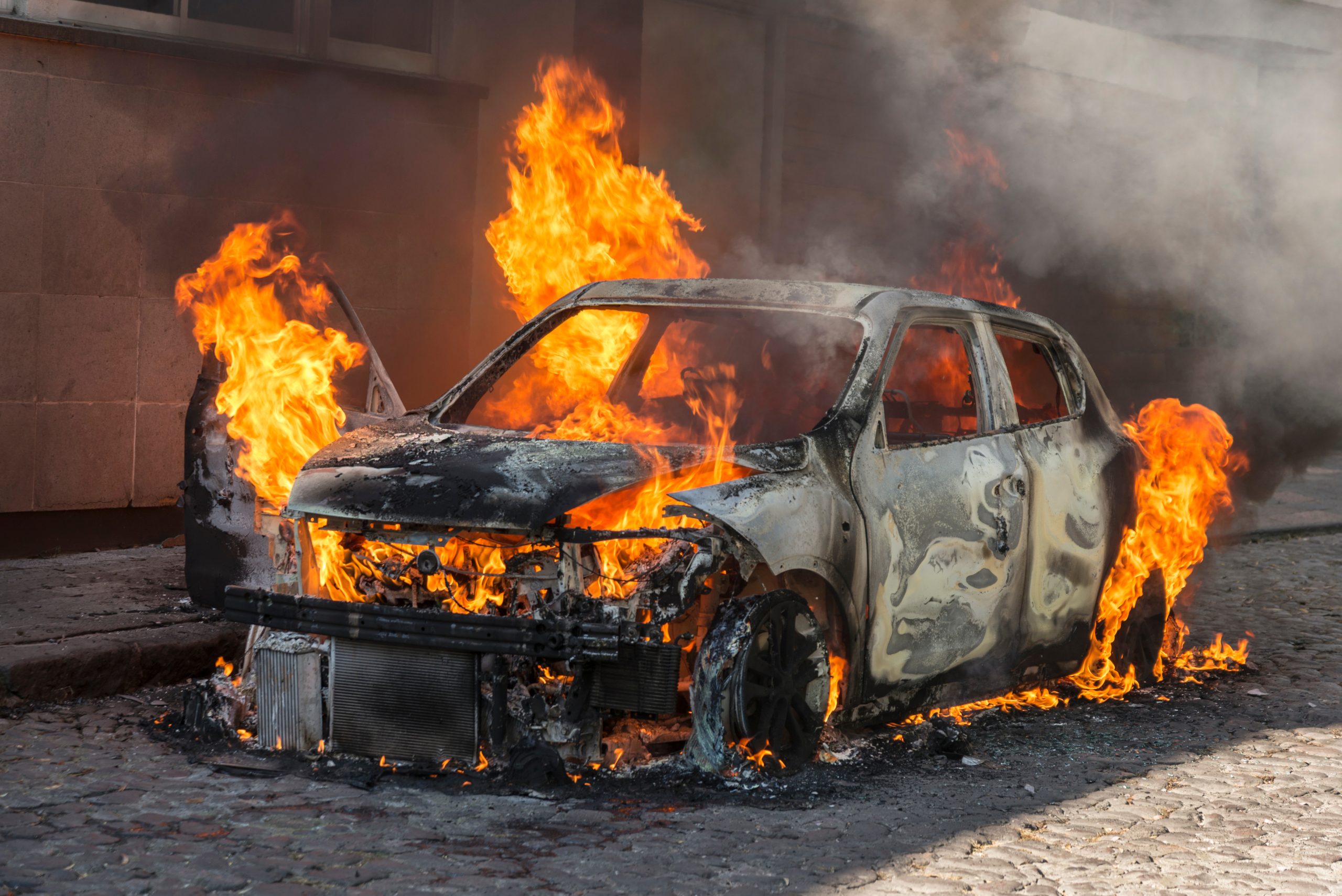
The recall is due to a potential short circuit in the high-voltage battery, which, according to the German Federal Motor Transport Authority (KBA), could lead to a vehicle fire. The recall affects EQA and EQB models manufactured between February 20, 2021, and July 30, 2024, totaling approximately 51,700 vehicles worldwide. Mercedes initially attempted to mitigate the risk with a software update. The recall now involves replacing the drive battery.
The replacement will only take place when replacement batteries are available. The manufacturer has not specified how long owners will have to wait. Until the service appointment, certain restrictions apply that will noticeably limit daily life:
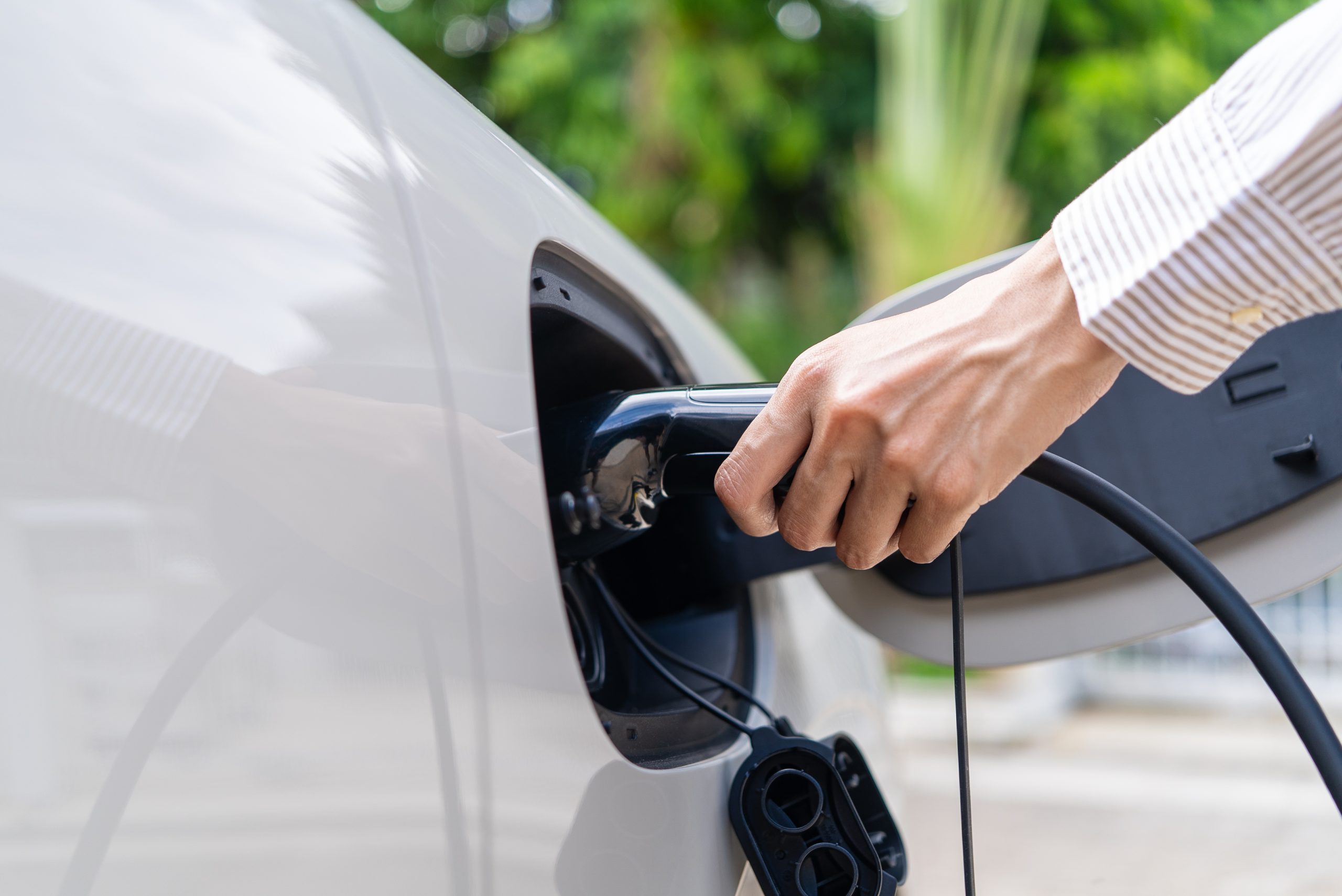
- Charging limiterThe battery may only be charged to a maximum of 80 percent. This reduces the usable range.
- Outdoor parkingGarages, underground parking spaces, and carports are out of the question. Anyone without an outdoor parking space at home faces a real problem.
- Uncertain waiting timeIn many cases, there is no fixed date for the battery replacement.
Furthermore, a new development has emerged. According to a report by auto motor und sport (issue 25/2026), several EQA and EQB vehicles from the production period in question caught fire at charging stations. Mercedes states that these vehicles are not even subject to the recall because they are equipped with a different type of battery. The German Federal Motor Transport Authority (KBA) intends to investigate one of these cases to determine whether it was another systemic defect or an individual malfunction.
Do you drive an EQA or EQB and are unsure what the recall means for your vehicle? Have your claims checked before you miss any deadlines.
Is the risk of fire a material defect?
A vehicle is defective under Section 434 of the German Civil Code (BGB) if it is not suitable for its ordinary use or does not possess the qualities that are usual for vehicles of this type and that buyers are entitled to expect. Buyers of a new car are entitled to expect that the car can be charged without risk of fire and parked in their own garage. A battery that can only be charged to a limited extent and prohibits parking in enclosed spaces does not meet this expectation.
Several regional courts have already followed this assessment. In July 2026, the Stuttgart Regional Court granted buyers of an EQA the right to rescind the purchase in two separate cases, and the Frankfurt (Oder) and Dortmund Regional Courts ruled similarly in August and September 2026. The courts classified the fire hazard as a material defect. These are first-instance rulings in individual cases, demonstrating that buyers' arguments are being heard.
The timing is crucial: the defect must have been present at the time of delivery. This is regularly the case with a design or manufacturing flaw in the battery that affects an entire production run. The subsequent fire is merely the consequence of a defect that was inherent from the beginning.
A recall is no reason to sound the all-clear. On the contrary, it proves that a safety-related defect exists.
Resignation despite announced battery replacement?
Before you withdraw from the purchase agreement, the seller generally has the right to remedy the defect in accordance with Section 439 of the German Civil Code (BGB). The promised battery replacement constitutes such a remedy. You must give the seller a reasonable deadline for this. If the deadline expires without success, you can withdraw from the contract in accordance with Section 323 of the German Civil Code (BGB).
The decisive factor is what is reasonable. A buyer is not obligated to accept a remedy whose deadline is completely open-ended indefinitely. According to Section 440 of the German Civil Code (BGB), setting a deadline is even unnecessary if the remedy has failed or is unreasonable for the buyer. It can be considered unreasonable if it involves significant inconvenience or drags on for a long time. Reports indicate that the recall period has been extended until March 2028. This doesn't mean that every owner has to wait that long, but it illustrates how uncertain the timeline is.
The rescission does not fail due to the materiality threshold of Section 323 Paragraph 5 of the German Civil Code (BGB). A safety-related defect that could lead to a vehicle fire is not insignificant.
As part of the return process, you will receive a refund of the purchase price and return the vehicle. A usage fee will be deducted for the kilometers driven. We have explained how this fee is calculated in our article on... Compensation for use in the case of the reversal of the sale of an electric car explained.
Set the deadline for subsequent performance in writing and with a specific date. Without a valid deadline, the withdrawal is contestable.
If your vehicle is not affected by the recall
The fires documented by auto motor und sport involve vehicles that, according to the manufacturer, are not subject to a recall. Owners of such vehicles are wondering whether their battery also poses a risk. The absence of a recall does not mean that your vehicle is free of defects. It simply means that the manufacturer has not yet planned any action regarding your battery.
If you experience any unusual battery issues with your vehicle, such as warning messages, charging interruptions, or unusual heat generation, you should document these immediately and notify the seller in writing. In case of a dispute, an expert will determine whether a defect exists. Careful documentation is helpful. Securing evidence, as it is also crucial in cases of range deficiencies.
Pay attention to the deadlines. Warranty claims for new cars expire two years after delivery, according to § 438 para. 1 no. 3 of the German Civil Code (BGB). For older vehicles, the following additional time limits may apply: Warranty on the drive battery to help, which many manufacturers grant for several years.
Are you unsure whether your vehicle is affected? Have your vehicle identification number (VIN) and documents checked before your claims expire.
Used cars, leasing and financing
Your rights depend on how you acquired your vehicle. Each scenario has its own opposing parties:
- New cars from the dealer or manufacturerClaims are directed against your seller. In the case of direct sales, this could be Mercedes itself.
- Used cars from a dealerHere too, retailers are liable for defects. The warranty period may be reduced to one year for consumers. More information can be found in our article on... Buying a used car from a dealer.
- Purchase from private sellerA warranty disclaimer is permissible, but it does not apply if the seller knew about the recall and concealed it.
- leasingThe lessor typically assigns their warranty rights to you. Our article explains how this works. Leasing in case of defects in the electric car.
- financingIf the purchase and loan form a linked contract, the cancellation also affects the loan.
First, clarify who your contractual partner is. This will determine against whom you can assert your claims.
What those affected should do now
You can secure your position without jeopardizing your rights by taking a few steps:
- Save callback letterKeep the manufacturer's letter and any further communication.
- Comply with regulationsPlease observe the loading limits and park outdoors. Violations may cause problems with your insurance in the event of an accident.
- Document limitationsNote how charging restrictions and parking bans affect your daily life, such as additional charging stops or a lack of parking spaces.
- Report the defect in writing: Request the seller in writing to remedy the defect and set a specific deadline.
- Don't give up too quickly.Do not sign any agreement regarding credits or compensation until you know what you are giving up.
- Keeping deadlines in mindCheck when your vehicle was delivered and when the warranty expires.
Acting early keeps all options open. You can find more articles about electric vehicles in our section. Automotive.
Rogert & Ulbrich: Your lawyers for defects in electric vehicles
Rogert & Ulbrich represents consumers nationwide in cases involving vehicle defects, from range discrepancies and battery failures to safety-related recalls. Attorneys Dr. Marco Rogert and Tobias Ulbrich and their team have years of experience litigating against car manufacturers and dealers and are familiar with the recall procedures of the German Federal Motor Transport Authority (KBA).
We check whether your vehicle is affected, assess your claims for repair, contract cancellation, or damages, and set the deadlines for you. We negotiate with the dealer and manufacturer and, if an out-of-court settlement cannot be reached, represent you in court.
Is your EQA or EQB affected by the recall or showing any abnormalities with the battery? Get in touch and secure your rights.