How fake trading platforms work and what rights investors have.
Those who have lost money through an online trading platform often haven't failed on the stock market, but have fallen victim to an organized fraud scheme. In the summer of 2026, the Bamberg Regional Court sentenced the former head of the Israeli software provider Airsoft to four years in prison for aiding and abetting fraud. The case demonstrates that even masterminds abroad can be prosecuted. Rogert & Ulbrich will review your claims and assist you in recovering your money.
The Airsoft Procedure: What is Known About the Fraud System
In the summer of 2026, the Bamberg Regional Court sentenced the former managing director of the Israeli software provider Airsoft to four years in prison for aiding and abetting fraud. Airsoft is alleged to have provided the technical foundation for hundreds of fraudulent investment portals over several years; during the convicted man's tenure from 2015 to 2021 alone, this involved 443 platforms. The charges related to approximately 24 of these portals, through which investors from Germany are said to have lost around 68 million euros.
The investigation was conducted by the Central Office for Cybercrime Bavaria at the Bamberg Public Prosecutor's Office, with support from the Israeli police. The manager confessed and paid €1.2 million to victims. The message for those affected is clear: even those who merely supply the technology can be held accountable, even if they are located abroad. The investigation into the suspected masterminds is ongoing.
Did you invest through a platform that is no longer accessible? Have your case checked to see if it's part of a known investigation.
This is how fake trading platforms work
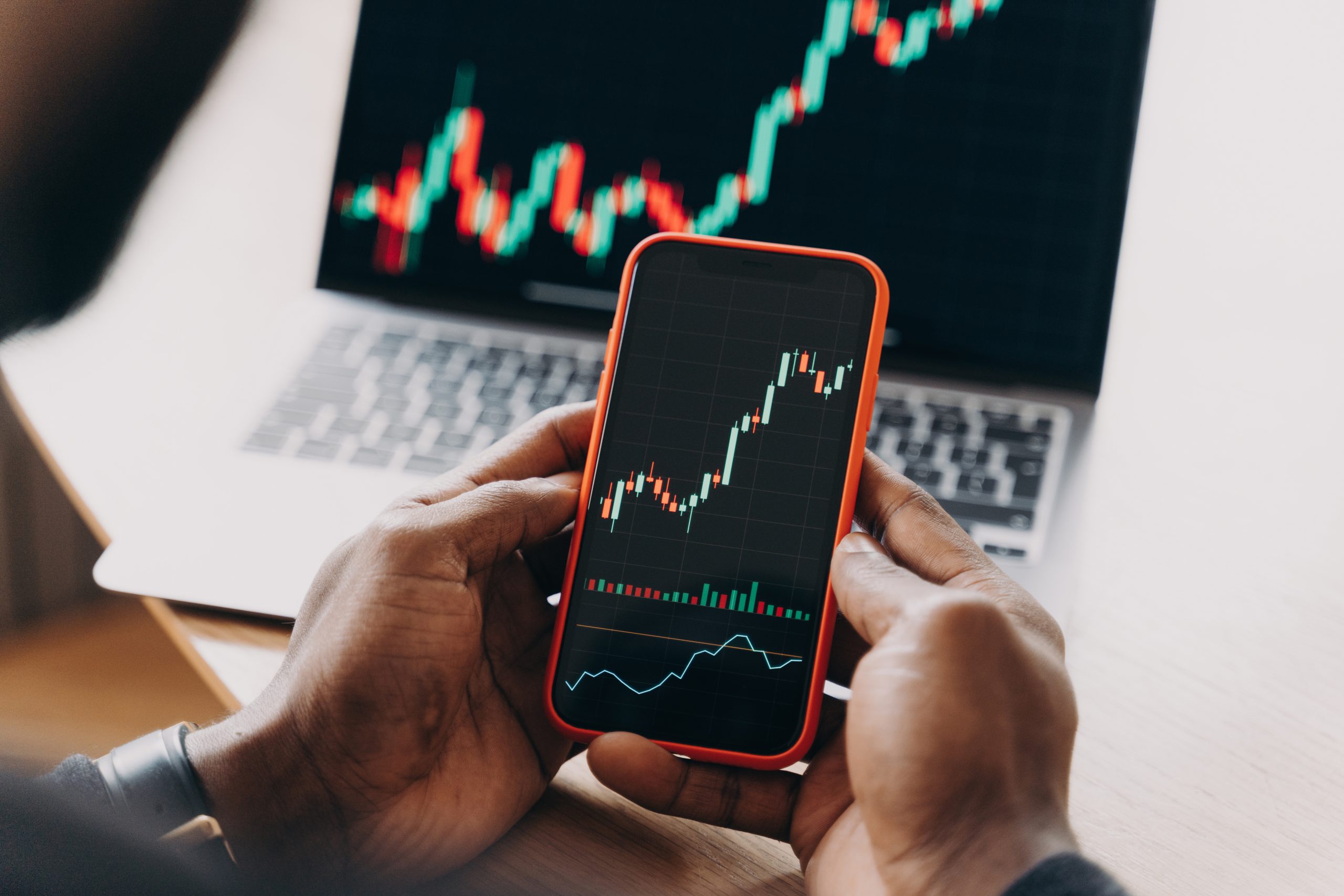
These portals appear to be reputable online brokers. Investors see real stock market prices, professional charts, and their own trading account. In reality, the deposited money is never invested in the market. The displayed profits are simply numbers on a screen that the operators manipulate at will.
According to the details that have come to light, the software allowed investors to be divided into groups and to specify for each group whether the account showed profits or losses. If real-world prices moved against a position, a bonus function visually offset the loss. If a platform was reported as fraudulent, a successor portal was created under a new name. The software provider received a commission of usually five to eight percent on each deposit and earned more the less money was returned to the investors.
Contact with investors is maintained by call centers, often located in Eastern Europe. Employees use false names, provide business addresses in Western European financial centers, and call from spoofed phone numbers. A typical tactic involves a dedicated account manager who builds trust and pressures investors to make increasingly larger deposits. These are the warning signs you should be aware of:
- Unrealistic returns: The account grows almost exclusively for weeks; losses hardly appear.
- Pressure to make back payments: The manager is pushing for higher stakes and cites alleged insider information.
- Lack of approval: The provider is not listed with a license in the BaFin company database.
- Changing recipients: Deposits are constantly being made to new accounts, payment service providers, or cryptocurrency exchanges abroad.
- Payout only subject to a fee: Taxes, fees, or a deposit may be required before a payout.
We describe further features on our page about Fake trading platforms.
Your account balance is increasing, but a withdrawal isn't working? Don't transfer any more money before having the platform checked.
What claims do injured parties have?
Anyone who has been harmed by a fake platform has civil claims for damages. The basis for these claims is primarily Section 823 Paragraph 2 of the German Civil Code (BGB) in conjunction with the fraud offense defined in Section 263 of the German Criminal Code (StGB), as well as the intentional and immoral harm caused by Section 826 of the German Civil Code (BGB). If the operators offer financial services without authorization, a claim for violation of Section 32 of the German Banking Act (KWG) may also be considered.
The decisive factor is the circle of those liable. According to Section 830 Paragraph 2 of the German Civil Code (BGB), accomplices are treated the same as perpetrators. Therefore, anyone who knowingly provides software, websites, or payment methods for fraud can be held liable for the entire damage. Several parties involved are jointly and severally liable according to Section 840 of the BGB. This means they can pursue the person who actually possesses assets.
The real hurdle lies in enforcement. The perpetrators are based abroad, operate with shell companies, and transfer money through multiple intermediaries. Therefore, it is crucial to document payment flows early and utilize the findings from investigations.
You don't know against whom your claims are directed? Have payment methods and parties involved evaluated by a lawyer.
Ways to recover the money: Criminal proceedings, payment methods and blockchain analysis
The first step is to file a criminal complaint. Only then can the investigating authorities freeze accounts and secure assets. As a victim, you can obtain access to the investigation file through a lawyer (§ 406e of the German Code of Criminal Procedure). This file often contains information about recipient accounts, payment service providers involved, and the names of those responsible.
If the public prosecutor's office seizes assets and the court orders their confiscation (Sections 73 et seq. of the German Criminal Code), the proceeds are distributed to the victims (Section 459h of the German Code of Criminal Procedure). You must register your claim within the prescribed time limit. Additionally, you can claim damages within the criminal proceedings themselves, in the so-called adhesion procedure (Sections 403 et seq. of the German Code of Criminal Procedure). Payments made by defendants as part of a plea agreement also benefit victims, as the Bamberg case demonstrates.
It's also worth considering the payment method. For credit card payments, a chargeback may be possible as long as the card issuer's deadlines are met. For bank transfers, your bank is generally not required to verify the purpose of a payment. The courts only recognize a duty to warn in exceptional cases, such as obvious signs of fraud. Since October 2025, payment service providers have also been required to verify the recipient's name against the IBAN before processing euro transfers. Whether this verification was carried out correctly can be relevant for liability purposes.
If the money flowed in cryptocurrencies, the transactions can be traced with a Blockchain analysis Track them. If the coins end up on a regulated exchange, law enforcement agencies can freeze accounts there and request information. What role does this play? Payment service providers in crypto fraud We will explain how to play separately.
Chargeback deadlines and registration deadlines are independent of each other. Secure your documents and have all avenues checked simultaneously.
Beware the second wave: withdrawal fees and recovery fraud
Many victims lose money a second time, shortly before or after the fraud is uncovered. The operators claim that the profits are ready for payout, but that taxes, processing fees, or a security deposit are due first. These amounts end up in the same pockets as the original investment.
Equally common are alleged recovery services. They contact you unsolicited, impersonating lawyers, authorities, or blockchain investigators, and promise to recover your lost money for an upfront fee. Often, these services are run by the same networks that perpetrated the original fraud. They know your contact information and how much you've invested. Here's how to protect yourself:
- No payments required for release: Reputable providers deduct fees from the account balance and do not require advance payment for withdrawals.
- No remote maintenance: Do not install programs like AnyDesk or TeamViewer at the request of third parties.
- Check contact details yourself: Only call alleged authorities or law firms back using contact details you have researched yourself.
- Do not send documents: Do not send any further copies of identification documents, account details or access codes to unknown parties.
How fraudsters use remote maintenance software can be read in our article on this topic. Crypto fraud via AnyDesk.
If they promise you payment in exchange for a final fee, do not pay until the claim has been reviewed by a lawyer.
What those affected should do now
The German-Dutch interface is hardly served systematically by any German law firm. This is precisely where the earlier you act, the greater the chance of still being able to secure assets. Even older cases are not necessarily lost. Claims for damages generally expire after three years, beginning at the end of the year in which you became aware of the damage and the liable party (§§ 195, 199 German Civil Code). If, as in the airsoft case, the masterminds behind the damage only become known years later, the limitation period may begin later for them. In addition, maximum limitation periods apply regardless of knowledge of the damage (§ 199 para. 3 German Civil Code).
- Break off contact: Do not make any further payments and do not engage in any discussions with the supervisor.
- Secure evidence: Save screenshots of your trading account, emails, chat histories, contracts, phone numbers, and web addresses.
- Document payments: Compile bank statements, credit card statements, and the transaction IDs of crypto transfers.
- Inform the bank: Inform your bank immediately and request a recall of any pending payments.
- File a criminal complaint: Contact the police or the public prosecutor's office directly and provide all platform names.
- Secure access: Change passwords and remove remote maintenance programs from your devices.
- Have your claims reviewed: Have the defendant and deadlines assessed before you negotiate with third parties.
Answers to further questions can be found in our Frequently asked questions about investment fraud.
Have you lost money through an online trading platform? Secure your evidence now and have your claims reviewed.
Rogert & Ulbrich – Your lawyers for investment fraud and cryptocurrency fraud
Rogert & Ulbrich represents victims of online investment fraud, fake trading platforms and Crypto fraud nationwide. Dr. Marco Rogert and Tobias Ulbrich and their team have handled over 40,000 cases and filed more than 25,000 lawsuits. The firm combines experience in banking law with the analysis of digital payment flows.
We file criminal charges, request access to case files, register your claims in the criminal proceedings, and trace payment routes through banks, payment service providers, and cryptocurrency exchanges. We enforce your claims against all parties involved out of court. Where an agreement is not possible, we represent you in court. Our multilingual team also assists you with cross-border cases.
Is your money stuck on a platform, is your account manager no longer reachable, or are they charging fees for withdrawals? Get in touch and secure your rights.