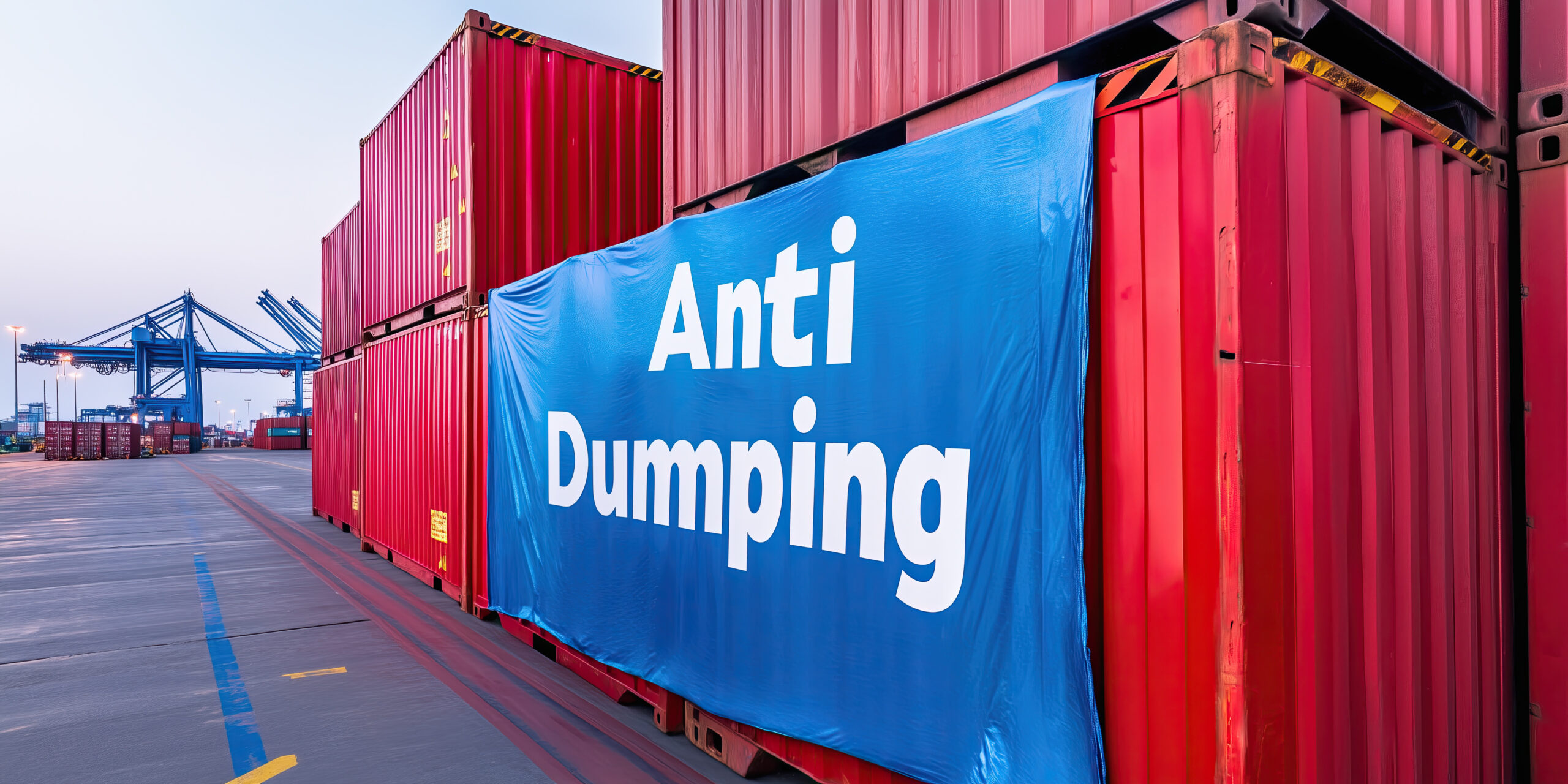
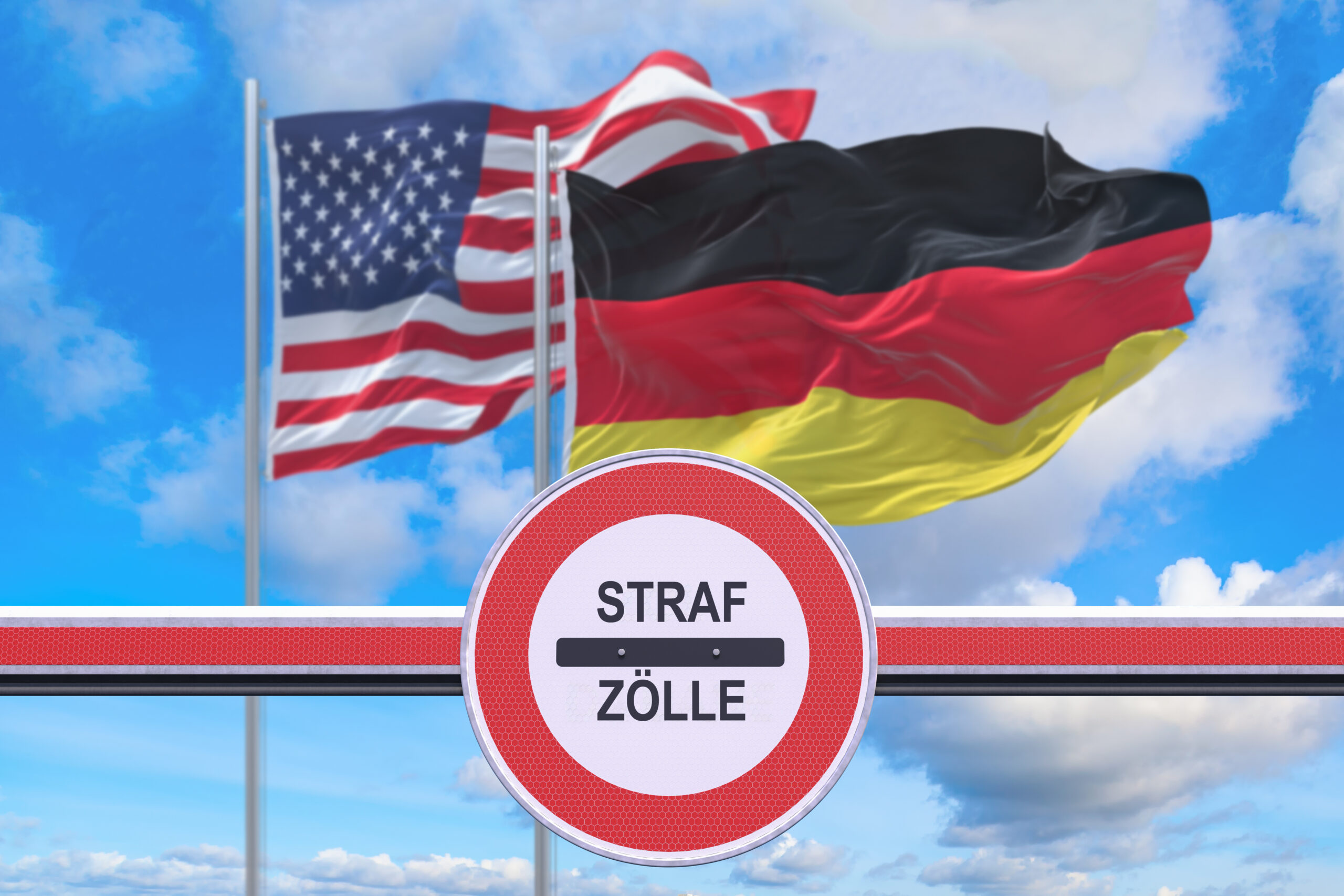
The trade conflict between the European Union and the United States, which has been simmering for months, is reaching a new level. The EU Commission today published a preliminary catalog of possible counter-tariffs. The 217-page list includes a wide range of US products that could be subject to import tariffs in the future – from agricultural products to industrial goods to aircraft parts.
What is in the new customs list?
The announced measures are a direct response to US tariffs, particularly on products such as motorcycles, whiskey, and jeans. With the new catalogue, the EU aims to implement targeted countermeasures – albeit with caution. The goal is to minimize the impact on consumers and businesses in Europe.
In total, the list includes US goods worth around €95 billion. It explicitly excludes products on which the US itself does not impose tariffs, as well as digital services. The Commission emphasizes: This is a provisional list, which will be agreed and revised in the coming weeks in consultation with the Member States.
The political dimension: pressure or escalation?
At the same time, diplomatic talks between the EU and the US continue. However, an agreement does not seem to be in sight any time soon. By publishing the tariff list, the EU is sending a clear signal: It is prepared should there be no progress in the negotiations.
The strategy is clear: The EU wants to strengthen its position without unnecessary escalation. Nevertheless, concerns remain that a further escalation of the trade dispute could be economically painful for both sides.
Imbalance in trade measures
Critics note that the scope of the US tariffs is significantly greater. Despite the EU's comprehensive list, the financial equivalent of the US measures remains approximately four times higher. However, a final judgment will only be possible once the member states have provided their feedback and the EU Commission has presented its final list of measures.
Impact on German industry
German industry, especially the automotive and steel sectors, is particularly affected by the existing US tariffs. The temporary suspension of US punitive tariffs on certain products further increases the pressure on the negotiations. Similar measures have already triggered strong market reactions in the past, and a renewed "tremor on the stock markets" cannot be ruled out.
Conclusion
The EU is responding to the US measures with a targeted, but not yet finalized, list of counter-tariffs. Whether this will result in a compromise or a further escalation of the trade dispute remains to be seen. One thing is clear: political and economic pressure is growing on both sides.