Thermal windows in the emissions scandal – compensation and your claims
hire a lawyer now
What a thermal window is, why it is legally relevant, and how vehicle owners can enforce compensation claims.
Following the initial diesel scandal involving manipulated test bench software, the thermal window is the central issue in the second wave of the emissions scandal. Almost all major car manufacturers are affected – including Volkswagen, Audi, Mercedes-Benz, BMW, Opel, and Fiat. Rogert & Ulbrich represents vehicle owners against manufacturers who have used thermal windows as illegal defeat devices and enforces claims for damages in court.
Enforce legal claims in just 3 steps
Simple, convenient & fast – we enforce your rights.
commissioning
Give us your mandate easily and conveniently via online form from home.
1lawsuit & trial
We will take care of all the remaining steps for you. Sit back and relax.
2Success
We will successfully enforce your claim and you can enjoy the success immediately.
3What is a thermal window?
Technical explanation
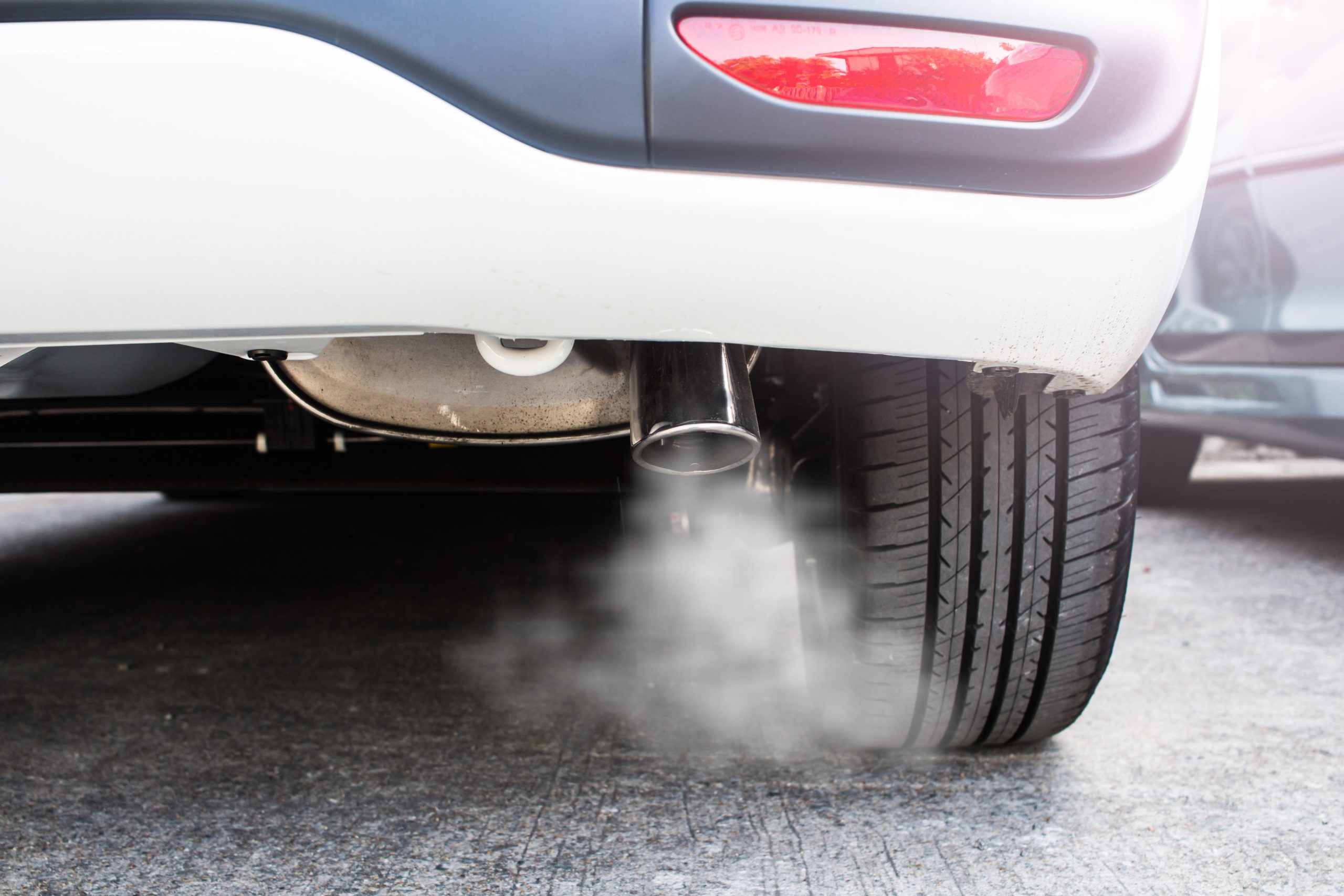
A thermal window is a software function in the engine control unit that regulates exhaust gas purification – especially exhaust gas recirculation (EGR) – depending on the outside temperature. Within a specific temperature range, the so-called "window," the exhaust gas purification system operates fully. Outside this window – in cold or hot conditions – the purification performance is reduced or deactivated.
In practice, this means that on the test bench, which is conducted under controlled conditions at around 20 to 30 degrees Celsius, the vehicles meet the emission limits. In real-world driving conditions, where temperatures can be significantly lower or higher, they considerably exceed the limits for nitrogen oxides (NOx).
Manufacturers often justify thermal windows by claiming they protect the engine from wear or damage – a justification that is increasingly viewed critically by European courts when the window is defined so narrowly that it excludes the vast majority of real-world driving conditions.
We will take care of your case – quickly & with commitment.
Illegal defeat device or legitimate engine protection?
Legal classification
The legal classification of the thermal window is the core conflict in thousands of legal cases. EU Regulation 715/2007 prohibits the use of defeat devices that reduce the effectiveness of emission control systems. Exceptions are only permitted if the device is necessary to protect the engine from sudden and unexpected damage.
In a landmark ruling in September 2023 (C-100/21, Mercedes-Benz), the European Court of Justice (ECJ) clarified that defeat devices that reduce exhaust gas purification outside of narrowly defined exceptions are inadmissible. A thermal window that reduces EGR at temperatures below 15 degrees Celsius or above 33 degrees Celsius does not cover the normal operating range of a vehicle and is therefore not covered by the exemption.
Crucially, the ECJ ruling also clarified that vehicle buyers have an individual right to compensation in cases of illegal defeat devices – even if they do not have to prove fraudulent intent on the part of the manufacturer. This is a significant difference from previous German case law, which often required proof of fraudulent intent.
Federal Court of Justice (BGH) case law on thermal windows
the long road to clarity
The Federal Court of Justice (BGH) has addressed the issue of thermal windows in several rulings. Until 2023, the BGH predominantly rejected claims for damages related to simple thermal windows, because it did not find evidence of intentional and immoral harm (§ 826 BGB) – the earlier basis for the diesel rulings.
The ECJ ruling of September 2023 fundamentally changed the legal situation. The ECJ ruled that national courts must award damages as soon as an illegal defeat device is present – proof of fault is not required. The German Federal Court of Justice (BGH) must take these European legal requirements into account.
Following the ECJ ruling, German courts have increasingly awarded damages for thermal windows. With its ruling of June 26, 2023 (VIa ZR 335/21) and subsequent decisions, the German Federal Court of Justice (BGH) developed a so-called "minor damages" system: vehicle owners are entitled to compensation for a reduction in value of 5 to 15 percent of the purchase price without having to return the vehicle.
Case law is constantly evolving. Rogert & Ulbrich monitors current rulings and applies the most favorable legal basis for claims on behalf of its clients.
Which vehicles and manufacturers are affected?
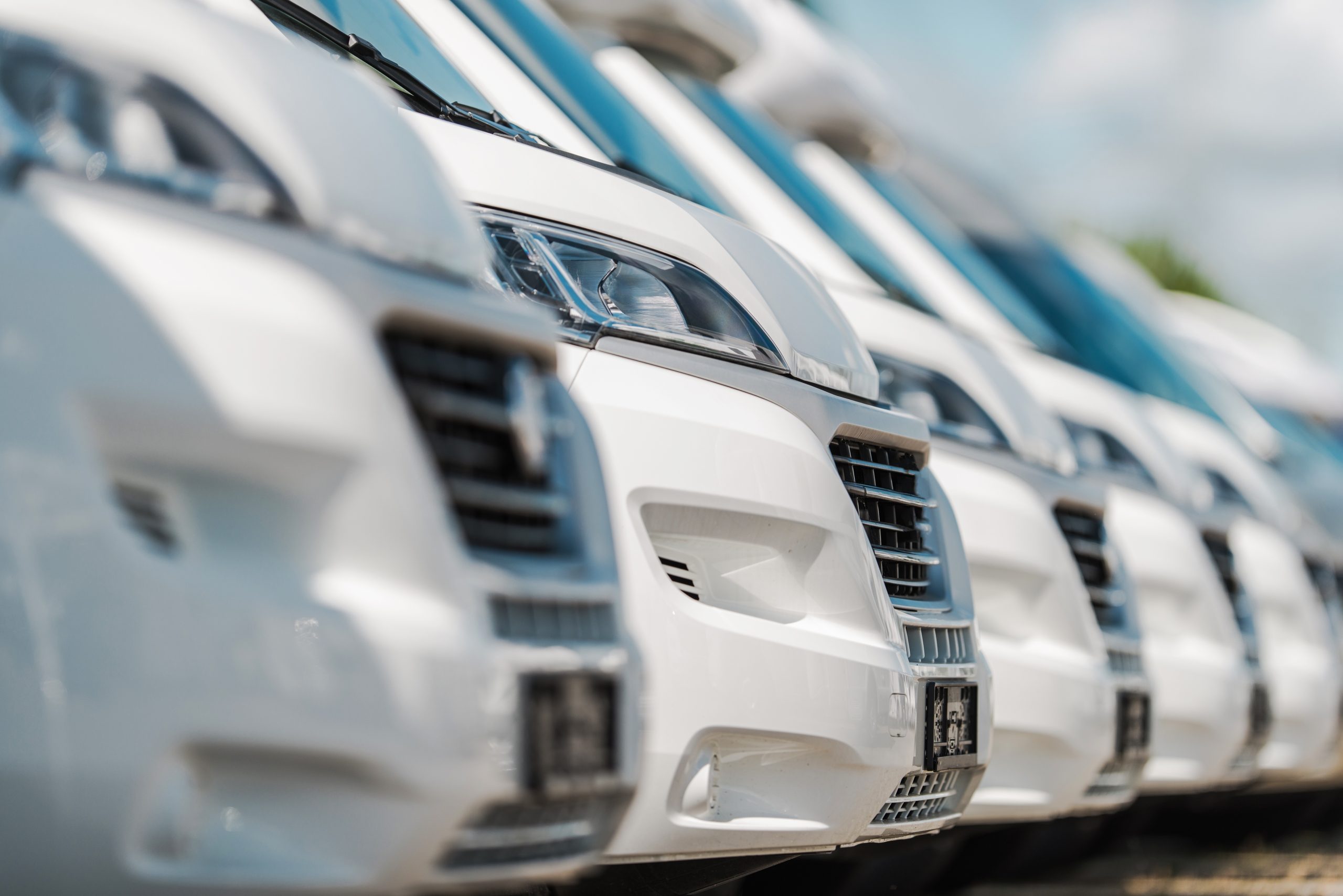
The thermal window issue is not unique to Volkswagen. Vehicles from almost all manufacturers with diesel engines meeting Euro 5 and Euro 6 emissions standards are affected.
- Volkswagen Group: Besides the well-known EA189 manipulation software, thermal windows in vehicles with EA288 engines are also the subject of numerous legal proceedings. VW, Audi, Seat, and Škoda are affected.
- Mercedes Benz: This issue has been brought into sharp focus, particularly by the ECJ ruling C-100/21. Several engine types have narrow thermal windows, especially in C-Class, E-Class, and GLC models.
- BMW: Legal proceedings concerning thermal windows in various diesel models are underway. BMW denies their illegality.
- Opel: Thermal windows in diesel vehicles are the subject of legal proceedings, especially following recalls by the KBA (German Federal Motor Transport Authority).
- Fiat Chrysler (Stellantis): Fiat models with 1.6- and 2.0-liter diesel engines are the subject of official investigations in several EU countries.
Whether your vehicle is affected can be checked using the Vehicle Identification Number (VIN) and publicly accessible databases as well as KBA recall lists. Rogert & Ulbrich will check free of charge whether your vehicle is affected.
Compensation for damages related to thermal windows – your claims
According to current case law, affected vehicle owners have two main options:
The full compensation option involves returning the vehicle to the manufacturer; in return, the original purchase price is refunded, less a usage fee for the kilometers driven. This option is attractive for owners who no longer wish to keep the vehicle.
The lesser compensation – as developed by the Federal Court of Justice (BGH) – allows the owner to keep the vehicle and grants a reduction in value of currently 5 to 15 percent of the purchase price. The exact amount depends on the severity of the defeat device and the specific vehicle. This option is advantageous for owners who wish to continue using the vehicle.
Important: Observe the statute of limitations. The general claim for damages expires three years after the end of the year in which the injured party became aware, or should have become aware, of the circumstances giving rise to the claim. For vehicles whose thermal windows were only definitively deemed inadmissible by the 2023 ECJ ruling, the limitation period begins correspondingly later. Nevertheless, prompt action is recommended.
Rogert & Ulbrich will check whether your vehicle is affected, determine the most advantageous legal basis for your claim, and pursue your claims out of court or in court. Many cases are handled under legal expenses insurance.

Professional advice & support
We offer you a professional and comprehensive initial consultation in the area of emissions law. Take advantage of this opportunity and avoid mistakes.
FAQs – Frequently Asked Questions about Thermal Windows
Didn't find the right answer?
Write your question to
office@ru.law
or call us:
+49 (0)211 / 819770
We are available for you 24/7.