How to collect charging logs, photos, and workshop reports so that your range discrepancy counts in court
Is your electric car not achieving its advertised range? Whether you can successfully claim compensation depends crucially on your evidence. This article shows you step by step how to properly document a range deficiency, from manufacturer specifications and charging logs to expert opinions.
Why documentation determines success
In cases of insufficient range, it is not legally sufficient to simply claim that the range is too short. You must demonstrate, and if necessary prove, that the vehicle significantly falls short of the advertised range. The better your documentation, the stronger your position.
The time factor also plays a role. When a consumer buys from a retailer, it is presumed within the first year after delivery that any defect shown was already present at the time of delivery. Those who document early and carefully make the best use of this eased burden of proof. Those who wait too long make it more difficult to prove their case.
Proper evidence preservation is therefore not a bureaucratic burden, but the basis for every claim.
Do you want to reliably document your reach? Find out which forms of evidence are valid in your case before you take action against the retailer.
Step 1: Secure manufacturer's specifications
The starting point for any evidence gathering is the advertised value against which the vehicle must be measured. Therefore, secure everything that proves the promised range.
- Purchase agreement: It often includes the agreed-upon features and sometimes the promised range.
- Brochure and configurator: Record the advertised WLTP range as a printout or screenshot, including the date.
- Website details: Save the range information from the manufacturer's or retailer's website, also including the date.
These figures are the benchmark. Without the documented baseline value, a deviation cannot be quantified.
Can't find the original range figure anymore? We'll tell you how to reconstruct the advertised value.
Step 2: Log range and charging behavior
Next, document how far your vehicle actually travels. A single trip is not enough; only a series of measurements over several complete charging cycles will provide meaningful results.
- Charging protocols: Note the charge level at the start and end, as well as the range achieved per trip or charging cycle.
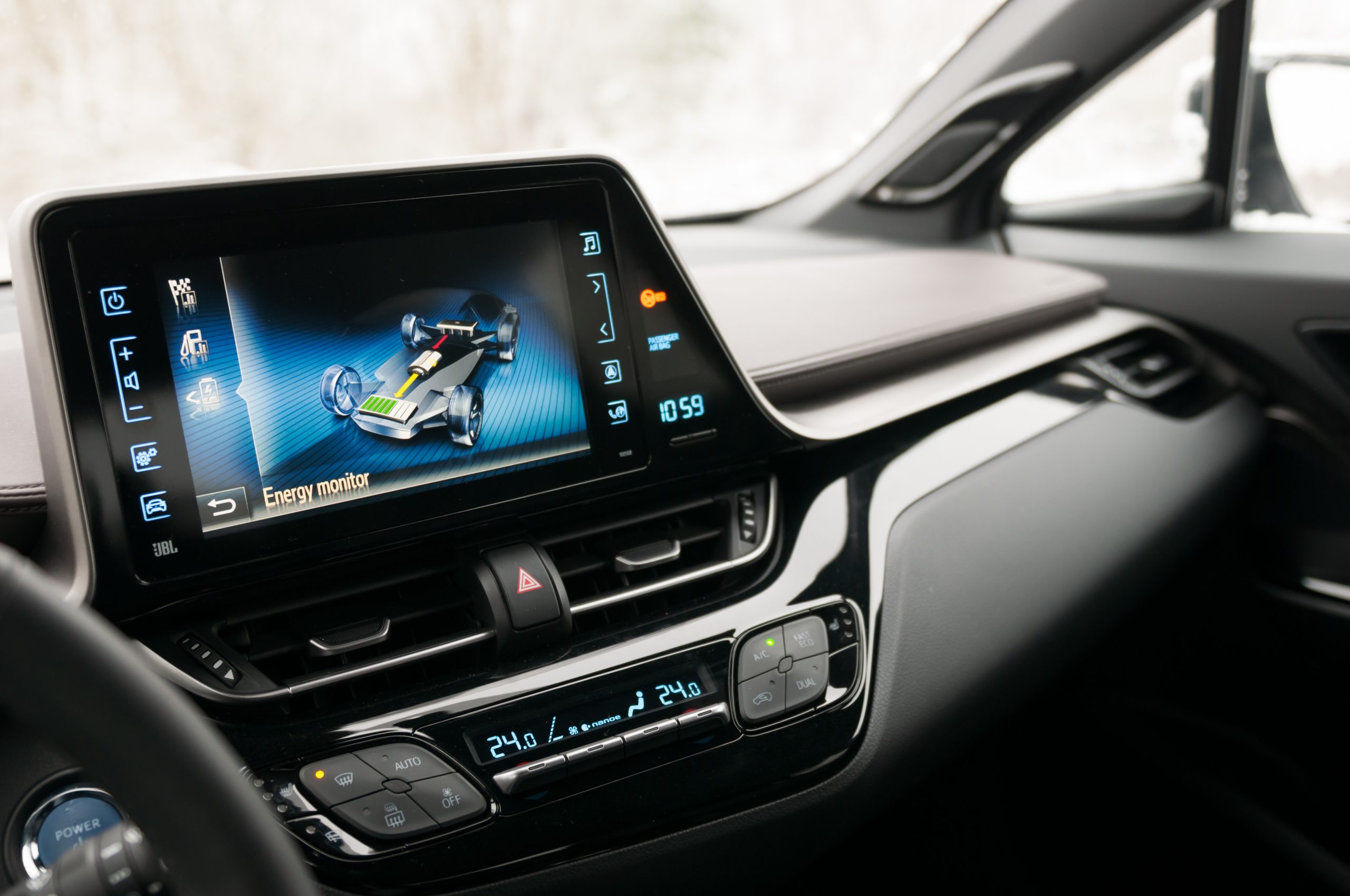
- Photos of the advertisement: Take a photo of the range and consumption display in the vehicle, preferably with the date visible.
- General conditions: Note the temperature, route profile, speed, and use of heating or air conditioning.
The surrounding conditions are important because otherwise the dealer will blame the cold weather or driving style. Documenting the conditions allows you to demonstrate that the deviation is not solely due to these factors.
Are you unsure how many measurements are needed? We'll tell you how to create meaningful records.
Step 3: Document complaints and workshop visits
As soon as you notice the defect, you should report it to the retailer and document every step. This not only proves the defect, but also that you have given the retailer the opportunity to remedy it.
- Written notice of defects: Document the insufficient range in writing and describe it specifically. Keep a copy.
- Workshop reports: Save every report and diagnosis, even if the workshop finds no fault.
- Correspondence: Keep all communication with the dealer and manufacturer, including emails and messages.
Document any unsuccessful attempts to rectify the issue. These are often a prerequisite for a later cancellation or price reduction.
The retailer is not responding or is refusing to help? Document everything and have your case reviewed.
Step 4: The expert report
The decisive piece of evidence in a dispute is usually an expert opinion. An expert determines the range under conditions close to WLTP and compares it with the advertised value. This ensures that the manufacturer's specification is measured using the exact same method by which it was determined.
Only this measurement makes the deviation legally admissible. This exact procedure also underlies the well-known range determination methods. We explain the principles regarding the standard of proof and the materiality threshold on our page about... Reversal of an electric car purchase due to insufficient range.
Your own notes from the previous steps are not irrelevant. They provide the expert with important clues and can help to control the scope and therefore the cost of the report.
We'll tell you when an expert opinion is useful and how to prepare it.
Common mistakes in evidence gathering
Some mistakes unnecessarily weaken the evidence. If you know them, you can easily avoid them.
- Only one measurement: A single trip in cold weather is not conclusive. Document data over several charging cycles.
- No conditions noted: Without information on temperature and driving style, it is more difficult to refute the objection of weather or driving style.
- Acting too late: Anyone who reacts only after more than a year loses the reversal of the burden of proof and makes it more difficult to prove their case.
- Verbal complaint: Only written reports can be proven later. Verbal reports are difficult to verify.
Rogert & Ulbrich have extensive experience in proving deviations from manufacturer specifications in numerous vehicle-related legal proceedings. emissions scandal familiar and can be applied to range issues with electric cars.
Do not sign any waiver until your evidence has been secured and verified.
Rogert & Ulbrich – Your lawyers specializing in electric vehicle defect law
Rogert & Ulbrich represents consumers nationwide in vehicle defect law and has its own Automotive sector as well as a bundled page on Tesla defects. The law firm of Dr. Marco Rogert and Tobias Ulbrich has represented a large number of consumers and conducted vehicle-related litigation against manufacturers for many years in the emissions scandal. This experience in enforcement is now benefiting buyers of electric cars.
We'll tell you which evidence counts, review your documentation, and arrange for an expert opinion if necessary. We'll negotiate with the dealer and manufacturer out of court. If no satisfactory solution is reached, we'll enforce your rights in court.
Do you want to properly document your lack of reach? Get in touch and secure your rights.