How linear calculation works and why the controversial total mileage of electric cars can mean the difference in money.
If you return your electric car by canceling the contract, you'll receive a refund of the purchase price, but you'll have to accept a deduction for the kilometers driven as compensation for use. The amount of this deduction depends largely on the total mileage assumed. This article explains the calculation with a numerical example and shows where you can gain or lose money.
What usage compensation is and why it is charged
If a cancellation is successful, the purchase contract is reversed. You return the vehicle and receive the purchase price back. However, because you have used the car in the meantime, you must compensate for this benefit of use. This is precisely what is known as compensation for use.
It's important to distinguish between two things. What's reimbursed is the benefit of use, meaning the fact that you drove the vehicle and thus saved yourself expenses. What's not reimbursed, however, is the mere depreciation of the vehicle due to age and wear and tear. So, it's about a mileage allowance for actual use, not for the vehicle's depreciation.
Are you facing a transaction reversal and want to know what the final amount will be? Have the expected deduction checked in advance.
Linear calculation: the formula
Legal practice and jurisprudence employ the so-called linear calculation method. This method relates the purchase price to the expected total mileage and multiplies the result by the actual kilometers driven.
For a new car, the formula is: usage compensation equals the gross purchase price multiplied by the kilometers driven, divided by the expected total mileage. For a used car, the calculation is instead divided by the remaining expected mileage, i.e., by the total mileage minus the mileage at the time of purchase.
Two points are important here. The basis for calculation is the gross purchase price, i.e., the price including VAT. Therefore, no additional VAT is charged on the usage fee. And the higher the expected total mileage, the lower the deduction per kilometer and the more money you will receive back.
Even small differences in the estimated mileage can noticeably alter the result. We will check whether the calculation is in your favor.
A calculation example
An example makes the formula more tangible. Let's assume an electric car was bought new for €50,000 (gross), and the buyer drove it 20,000 kilometers before returning it.
- At a total mileage of 250,000 kilometers: 50,000 euros divided by 250,000 kilometers equals 0.20 euros per kilometer. Multiplied by 20,000 kilometers, this results in 4,000 euros in compensation for use.
- At a total mileage of 300,000 kilometers: 50,000 euros divided by 300,000 kilometers equals approximately 0.17 euros per kilometer. Multiplied by 20,000 kilometers, that's approximately 3,333 euros.
The mere question of whether 250,000 or 300,000 kilometers are used as the benchmark makes a difference of approximately 667 euros in this example. The buyer receives a correspondingly larger refund with the higher mileage. For higher mileages or more expensive vehicles, the difference is even greater.
Would you like to know how much you could expect to receive? We will calculate your specific case.
The dispute over the total mileage of electric cars
For combustion engine vehicles, a legal framework has become established. Depending on the vehicle class, values between 200,000 and 300,000 kilometers are frequently used, with 300,000 kilometers increasingly being applied to modern vehicles. For electric cars, however, this value is not yet firmly established.
This opens up some flexibility. A higher overall mileage is advantageous because an electric motor has significantly fewer wear parts than a combustion engine and therefore potentially lasts longer. If a higher mileage is assumed, the deduction per kilometer decreases, which benefits the buyer. On the other hand, it is argued that the lifespan of the drive battery could limit the overall mileage.
Because there is no established legal precedent on this matter, the applicable mileage allowance is a genuine point of contention in individual cases. This is precisely where it's worthwhile to argue for a mileage allowance that is favorable to you, as it directly determines the amount of your refund.
Is the dealer expecting low mileage? We'll check if a higher, and therefore cheaper, mileage figure can be justified for your vehicle.
Other factors that are important in the calculation
Besides the total mileage, there are other factors you should be aware of.
- Correct purchase price: The gross purchase price should be used as the basis for calculation. Discounts or trade-ins can affect the calculation.
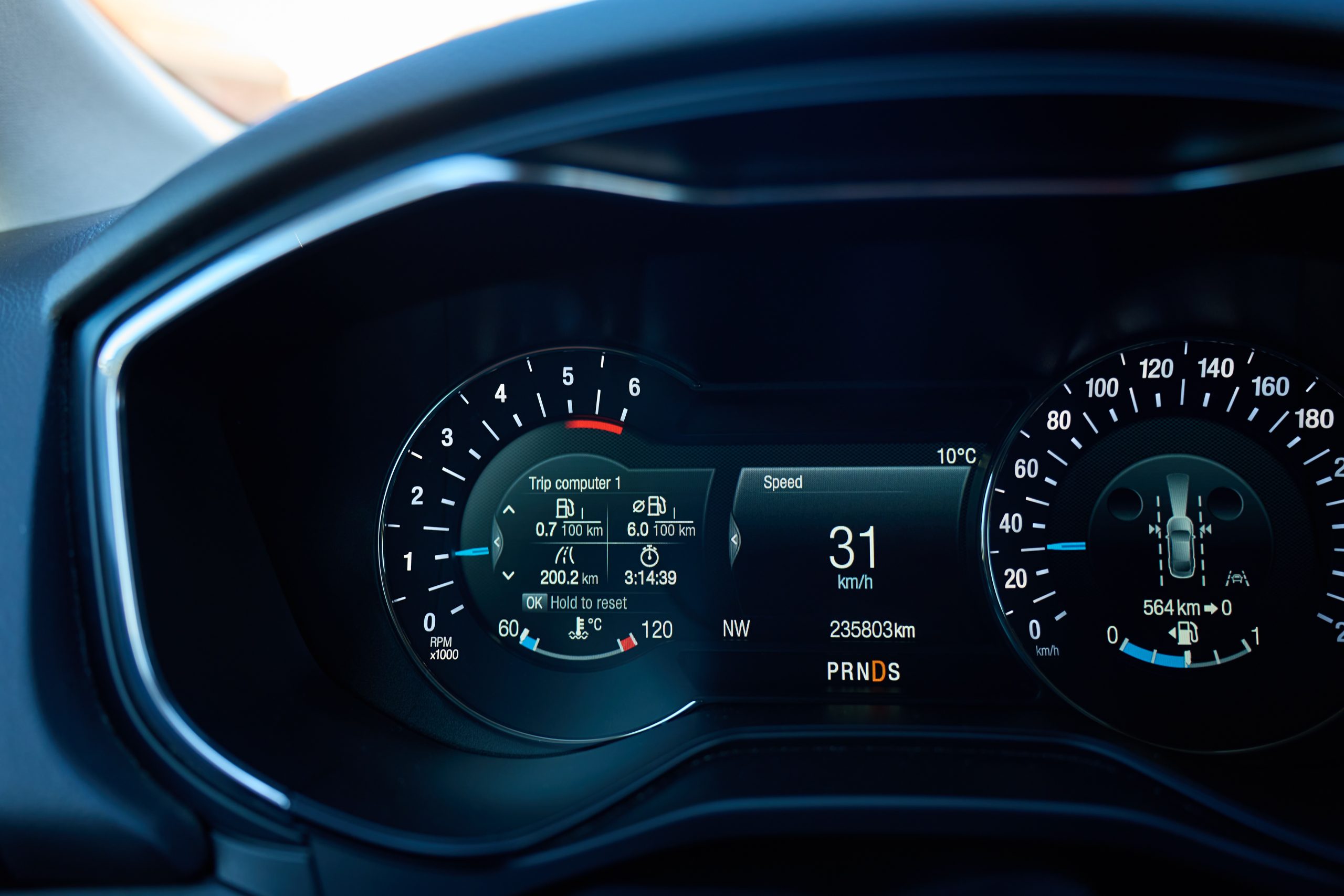
- Correct mileage: The decisive factor is the actual mileage driven until the vehicle is returned, not a general estimate.
- Discount due to shortages: Some argue that a reduction in the regular usage compensation is appropriate because the vehicle was specifically defective. This point is controversial and warrants examination on a case-by-case basis.
Important to know: In cases other than cancellation, the compensation for use may be waived entirely or partially. For example, in the case of a successful return of a Tesla purchased online A result without compensation can be achieved through the cancellation. Whether such a course of action is more advantageous for you should be examined.
An excessively high usage fee will cost you real money. We check every item in the calculation.
What you should do
To ensure the calculation is not to your disadvantage, you should keep a few things in mind.
- Document mileage readings: Record the mileage at the time of purchase and upon return, ideally with a photo.
- Secure purchase documents: Keep the purchase agreement and proof of payment showing the gross purchase price.
- Do not accept calculations without verification: Do not accept the dealer's figures without checking them, especially not the stated mileage.
For the basic requirements for withdrawal, please see our page on... Reversal of an electric car purchase due to insufficient range The right approach. Rogert & Ulbrich have extensive experience in enforcing such rescission claims against manufacturers, gained from numerous vehicle-related legal proceedings. emissions scandal trusted.
Do not accept any invoice from the dealer until the usage compensation has been verified.
The sooner your case is reviewed, the more you can expect to receive. Secure your claims while the deadlines are still open.
Rogert & Ulbrich – Your lawyers specializing in electric vehicle defect law
Rogert & Ulbrich represents consumers nationwide in vehicle defect law and has its own Automotive sector. The law firm of Dr. Marco Rogert and Tobias Ulbrich has represented a large number of consumers in the emissions scandal for many years and conducted vehicle-related legal proceedings against manufacturers, in which the calculation of compensation for usage played a central role. This experience is now benefiting buyers of electric cars.
We review the calculation of your usage compensation, uncover excessive deductions, and argue for a more favorable mileage allowance for you. We negotiate out of court with the dealer and manufacturer. If no satisfactory solution is reached, we enforce your rights in court.
Are you facing a buyback of your electric car? Get in touch and protect your rights.