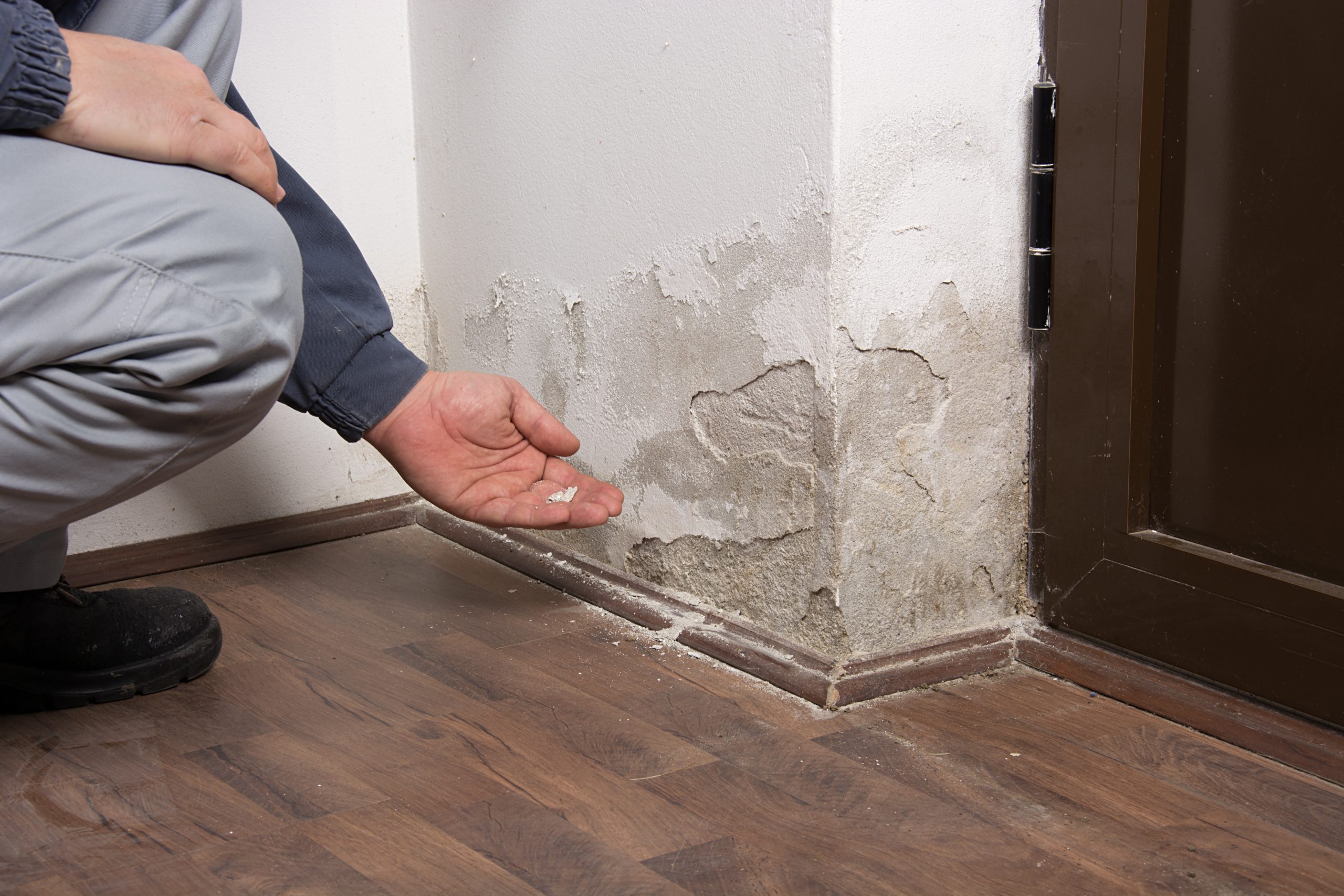

Why the performance is not determined by the rain, but by the specific damage and the insured risk.
After heavy rain, property owners face the crucial question: Which insurance covers which type of damage? It's not the intensity of the rain that matters, but rather how the water entered the building. Flooding, backflow, storms, and burst pipes are legally distinct hazards. Rogert & Ulbrich will review your case and enforce your claims.
Heavy rain alone is not the answer
Since the floods of recent years, a nationwide mandatory natural hazard insurance policy has been under discussion. The German government agreed in its coalition agreement that residential building insurance policies should only be offered with natural hazard coverage in the future, with existing policies subject to a mandatory switchover on a specific date and the option to opt out. The Federal Ministry of Justice has announced key points. The regulation has not yet been finalized (as of July 2026).
For those affected, however, the political debate is secondary. Anyone with water damage in their basement today won't find any help in pointing to heavy rain. Because no insurance policy covers the risk of heavy rain as such.
Insurance policies always cover specific, clearly defined perils. After heavy rain, the issues could include flooding, backflow, water ingress, storm damage, or burst pipes. These are legally distinct topics with different requirements. Therefore, the crucial question is not whether it rained heavily, but rather: What specific damage occurred, and which peril is covered by your policy? This crucial distinction determines whether a Insurer's refusal to pay benefits is entitled.
First check which risks your contract covers before accepting a rejection.
Which insurance covers which type of damage?
After heavy rain, several contracts and several hazards come into play. Here's an overview:
- Home insuranceIt covers the building itself and permanently attached components. Standard coverage usually includes fire, water damage, storm, and hail.
- Natural hazard insuranceIt is generally an additional component and not automatically included. Only this component covers flooding and backflow. According to the insurance industry, only around 60 percent of residential buildings in Germany have this protection.
- Home contents insuranceThis concerns movable items in the apartment, such as furniture, electrical appliances, or clothing. Here, too, the basic building block must regularly be agreed upon separately.
This leads to a situation that surprises many homeowners: A waterlogged basement floor can be covered by building insurance, while a destroyed washing machine is covered by contents insurance. And both of these scenarios require that the relevant coverage for flooding or sewage backups was included in the policy.
Not sure which of your policies applies? Have your policy and terms and conditions reviewed before reporting the damage.
Flooding and intruding water
Flooding is defined separately in the insurance policy terms and conditions. This typically refers to the inundation of the insured property, for example, due to overflowing watercourses or heavy rainfall. The crucial point is that the water must first accumulate on the property and then enter the building.
This is precisely where insurers come in. If rainwater penetrates directly through the wall, the masonry, or as seepage, without the property having been flooded beforehand, this definition often fails to establish a flood. The insurer then rejects the claim, even though the basement was demonstrably flooded.
Whether a flood occurred as defined by the terms and conditions therefore depends on the actual sequence of events and the wording of your specific clause. Photos and witness statements documenting the water level on the property are often crucial in this regard.
The insurer denies that there was a flood? Secure evidence of how the water actually entered the building.
Traffic congestion: the most frequent point of contention in practice
Backflow occurs when the sewer system can no longer handle the volume of water and water is forced back through the pipes into the building. Important: Backflow is not usually considered water damage, but rather covered by basic natural hazard insurance. Without this coverage, you typically have no protection.
Even with basic building blocks, disputes often arise here. Many policies stipulate that a functioning backflow preventer must be present and regularly maintained. The insurer then argues that a backflow preventer was missing, malfunctioning, or not properly maintained, and denies coverage. Such cases are a classic issue for [the insurer]. Contract interpretation and breaches of duty.
This objection, however, is contestable. First, the obligation must be clearly and comprehensibly defined in the policy terms. Second, the consequences are governed by Section 28 of the German Insurance Contract Act (VVG): Only in cases of intentional breach is the insurer completely released from its obligation to pay. In cases of gross negligence, the insurer may only reduce the benefit in proportion to the degree of fault, and in cases of simple negligence, it remains fully liable. Third, the principle of rebuttal of causation applies: If the breach was not the cause of the occurrence or extent of the damage, the insurer remains liable. Therefore, if the water would have entered even with a properly maintained backflow preventer, the objection is invalid.
Is the insurer citing a missing or unmaintained backflow preventer? A complete denial of coverage is often inadmissible in such cases.
Storms and tap water: the other two ways into the building
Not every instance of damage from heavy rain is considered damage caused by natural disasters. Two risks are usually covered by insurance even without additional coverage:
- Storm and hailTypically, weather-related wind damage from wind force 8 upwards is covered. If the storm tears off the roof and rain subsequently leaks in, the resulting damage is usually covered by storm insurance, even without an additional natural hazards clause. The crucial factor is that the storm must have created the opening first.
- tap waterThis refers to water that escapes from pipes or connected fixtures in a manner contrary to its intended purpose. Rainwater is not considered tap water. Water that enters through an open window is also generally not covered by insurance.
This distinction is worth its weight in gold. Whether damage is classified as storm damage, water damage, or natural disaster determines whether insurance coverage applies at all. The insurer's classification is therefore not a technical detail, but the crux of the dispute.
Has your insurer classified your claim as being due to an uninsured peril? Have this classification reviewed.
What you should do after heavy rain damage
After heavy rain, proper documentation is crucial for later proof. These steps are important now:
- Report damage immediatelyInform the insurer immediately and document the report in a verifiable manner.
- Documenting the path of the waterTake photographs of the water level on the property, on the facade, and inside the building. This is precisely what will later determine whether it is classified as a flood, backwater, or storm damage.
- Reduce damageAccording to Section 82 of the German Insurance Contract Act (VVG), you must take reasonable measures to mitigate damages, such as pumping out water. Document these measures.
- Don't throw anything away prematurely.Keep damaged items until the insurer has inspected them and make a list.
- Check policy and terms and conditionsClarify whether a basic building block has been agreed upon and what obligations your terms and conditions stipulate.
- Save weather dataOfficial rainfall data can support the sequence of events, but do not replace proof of how the water entered the building.
We will explain in detail how the basic building block works and when a flood is considered to have occurred according to the given conditions in a separate article. You can find an overview of our work on our website. Lawyer specializing in building insurance.
The sooner the events are documented, the better your claim can be enforced. Have your case reviewed while evidence can still be secured.
Rogert & Ulbrich – Your lawyers in insurance law
Rogert & Ulbrich represent property owners nationwide in disputes with their home insurance companies. As contact persons in Insurance law Attorney Dario Kovac, who is familiar with insurers' review and rejection strategies from his previous work on the insurers' side, is on board. We combine this insider knowledge with the firm's consumer protection experience from major cases in banking, capital markets, and automotive law. This allows us to engage with insurers on equal footing.
We review your policy and the insurance terms and conditions, assign the damage to the correct peril, and verify whether the insurer's classification was justified. If they cite a breach of duty, such as a missing backflow preventer, we examine the degree of fault and causality. In the case of the Examination and enforcement of claims arising from insurance contracts We represent you out of court and, if necessary, in court. We involve any existing legal expenses insurance early on and obtain the coverage confirmation for you.
Has your home insurance company rejected or reduced your claim after heavy rain? Get in touch and secure your rights.