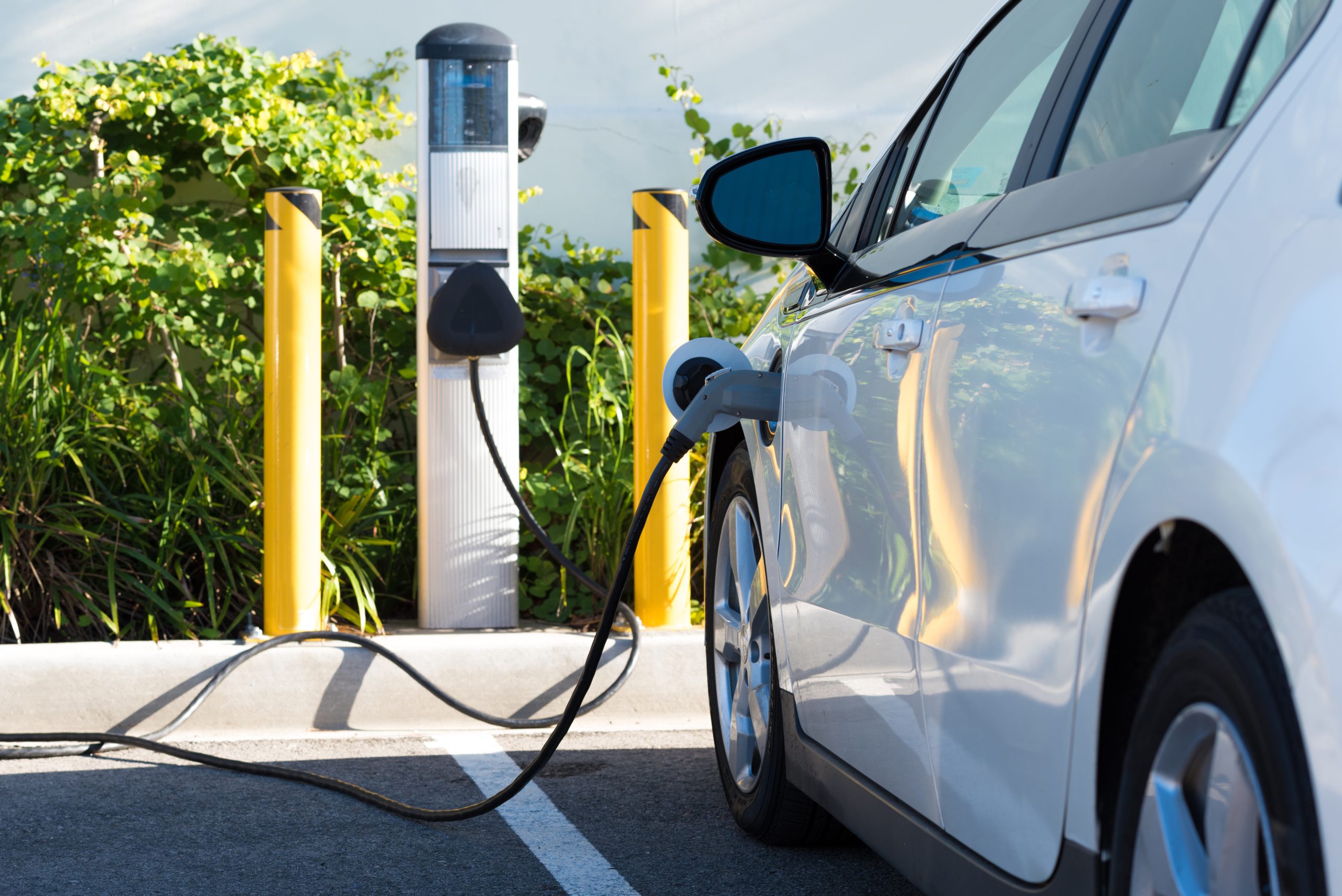

Plug-in hybrid vehicles (PHEVs) have been promoted in recent years as the ideal transitional solution between conventional combustion engines and fully electric drive. The concept sounds compelling: short distances purely electric, longer journeys with support from a combustion engine. Official fuel consumption figures of one to two liters per 100 kilometers appear particularly attractive – both ecologically and economically.
However, recent studies show that there are often significant differences between the official test results and real-world consumption.
Study using real vehicle data: Significant deviations from the test bench.
A study by the Fraunhofer Institute for Systems and Innovation Research ISI analyzed real-world driving data from approximately one million plug-in hybrid vehicles manufactured between 2021 and 2023. The data was collected directly from the vehicles, thus reflecting actual usage patterns in road traffic.
The result is clear:
The average real-world fuel consumption was around six liters per 100 kilometers – in some cases three to five times higher than the official WLTP figures.
Differences emerge depending on the model, manufacturer, driving profile and, above all, the charging behavior of the users.
The WLTP test procedure – realistic or theoretical?
The official fuel consumption figures are based on the standardized Worldwide Harmonized Light Vehicles Test Procedure (WLTP). This test procedure is designed to create comparable conditions across Europe and was introduced to deliver more realistic results than the previous NEDC procedure.
However, the WLTP remains a laboratory test procedure. The tests are carried out under defined conditions on a chassis dynamometer – without individual driving styles, without real weather conditions, and without real traffic situations.
In everyday life, however, numerous factors influence consumption:
- Driving style and acceleration behavior
- Outside temperatures
- Heating and air conditioning requirements
- Battery charging behavior
- Route profile (short distance or long distance)
- Software-based control strategies
Charging behavior plays a particularly important role. If the battery is not charged regularly, a plug-in hybrid will predominantly operate in combustion engine mode – resulting in correspondingly higher fuel consumption.
Technical concept: Benefits only with consistent use
The basic principle of a plug-in hybrid makes technical sense. An electric motor handles short trips in city traffic, while the combustion engine provides additional range on longer journeys.
However, this concept only works under certain conditions:
If the vehicle is charged regularly and used predominantly for short distances, the electric driving share can be high and the fuel consumption can actually be low.
However, if charging infrastructure is lacking or the vehicle is primarily used for long-distance travel, the balance shifts in favor of the combustion engine. In such cases, fuel consumption can rise to the level of conventional gasoline or diesel vehicles.
It is also noticeable that even in "predominantly electric mode," some models still exhibit measurable fuel consumption. The combustion engine sometimes kicks in to provide support – for example, under high power demand or at low temperatures.
Differences between manufacturers
The study also shows that real-world fuel consumption figures vary considerably depending on the manufacturer and model. While some vehicles achieve comparatively low average values, others are significantly higher.
Key factors include:
- Battery capacity
- electric range
- Vehicle weight
- Drive control coordination
- Software strategies for engaging the combustion engine
The technical design therefore has a significant influence on actual consumption.
Company car subsidies and tax advantages
Plug-in hybrids have been heavily promoted in the company car sector in recent years. This was based, among other things, on reduced CO₂ emissions and tax advantages for the private use of company vehicles.
Since these advantages are based on official consumption and emission figures, real-world usage data is increasingly coming into focus in public discussions. If actual emissions are significantly higher than stated, the question of the transparency of the assessment criteria inevitably arises.
Transparency, consumption data and possible legal assessment
The discrepancy between official test results and real-world fuel consumption is not purely a technical issue. For buyers, the real question is whether the advertised fuel consumption figures have met their reasonable expectations of the vehicle.
Although WLTP values are legally explicitly designated as test bench values, they nevertheless have considerable significance for many buyers when making a purchase decision. This is especially true if specific fuel consumption figures are highlighted in the sales brochure, if the vehicle's environmental advantages are clearly emphasized or presented as a key selling point, or if fuel efficiency and fuel savings were the main focus of the consultation.
However, whether this can lead to legal consequences always depends on the specific individual case and the individual usage situation of the vehicle.
Conclusion: Usage determines profitability
Plug-in hybrid vehicles are not inherently a problematic technology. They can certainly offer advantages – but only with consistent electric driving and regular charging.
However, current findings clearly show that official consumption figures and actual everyday consumption can differ considerably. For consumers, this means that individual driving style and charging habits are crucial for actual cost-effectiveness.
What affected buyers should check now
Anyone who notices significantly higher fuel consumption than expected with their plug-in hybrid should review the contractual terms. check carefully let.
Key points include:
- Purchase agreement
- Sales brochure and advertising statements
- Specifically guaranteed consumption figures
- individual consultation situation
- actual deviation between WLTP value and real consumption
Depending on the circumstances, this may give rise to legal claims. A thorough review of the documents will clarify possible options and courses of action.