Home contents insurance – help with reductions or rejections
hire a lawyer now
When household goods are damaged or stolen, it's about more than just objects.
A burglary, fire, water damage, or severe weather often catches policyholders completely unprepared. It's not just the material value that's affected, but also their sense of security in their own home. Especially in this situation, policyholders expect their home contents insurance to settle the claim quickly and transparently. In practice, however, those affected frequently experience the opposite. The insurer demands extensive documentation, asks follow-up questions, invokes obligations, or reduces compensation due to alleged underinsurance. Sometimes, the claim is denied entirely. Then the question arises not only whether the damage is covered, but also how claims can be pursued. Insurance law be consistently enforced.
Rogert & Ulbrich represent policyholders nationwide in disputes concerning household insurance. We review your case, assess the insurer's legal position, and enforce legitimate claims out of court or in court.
Enforce legal claims in just 3 steps
Simple, convenient & fast – we enforce your rights.
commissioning
Give us your mandate easily and conveniently via online form from home.
1lawsuit & trial
We will take care of all the remaining steps for you. Sit back and relax.
2Success
We will successfully enforce your claim and you can enjoy the success immediately.
3When does the home contents insurance pay out?
Home contents insurance generally covers damage to insured household items caused by an insured peril. Typical insured causes include fire, lightning, water damage, storm, hail, and burglary. Whether and to what extent damage is covered is determined by the policy terms. Insurance contract and the underlying conditions.
It's important to note that in many cases, it's not simply a matter of damage having occurred. Crucially, it also depends on whether the damage was caused in accordance with the policy terms, whether the insured location is covered, and whether exclusions apply. This is precisely where many disputes between policyholders and insurers begin.
We will take care of your case – quickly & with commitment.
Insured household contents and insured costs
Household contents are insured, meaning movable items used in a private household. This can also include valuables and cash. However, many policies contain specific compensation limits or safekeeping requirements for these items.
In addition to replacing damaged or stolen items, household insurance can also cover other costs. Depending on the policy, these may include cleanup costs, lock replacement costs, or even costs for temporary accommodation if the apartment is temporarily uninhabitable. Which costs are reimbursable in a specific case usually depends on the policy terms and the available documentation.
If your insurance company is causing problems – talk to lawyer Dario Kovac
Is your insurance company refusing to pay or delaying the settlement? Lawyer Dario Kovac He has been assisting clients with disputes with insurance companies, particularly legal expenses insurers, since 2019. His previous work at ARAG He is familiar with typical rejection strategies from practice.
- Review of your benefit claim
- Consistent enforcement
- No communication with the insurance company
Have your case reviewed now and get in touch directly!

Burglary, vandalism and robbery – frequent areas of conflict
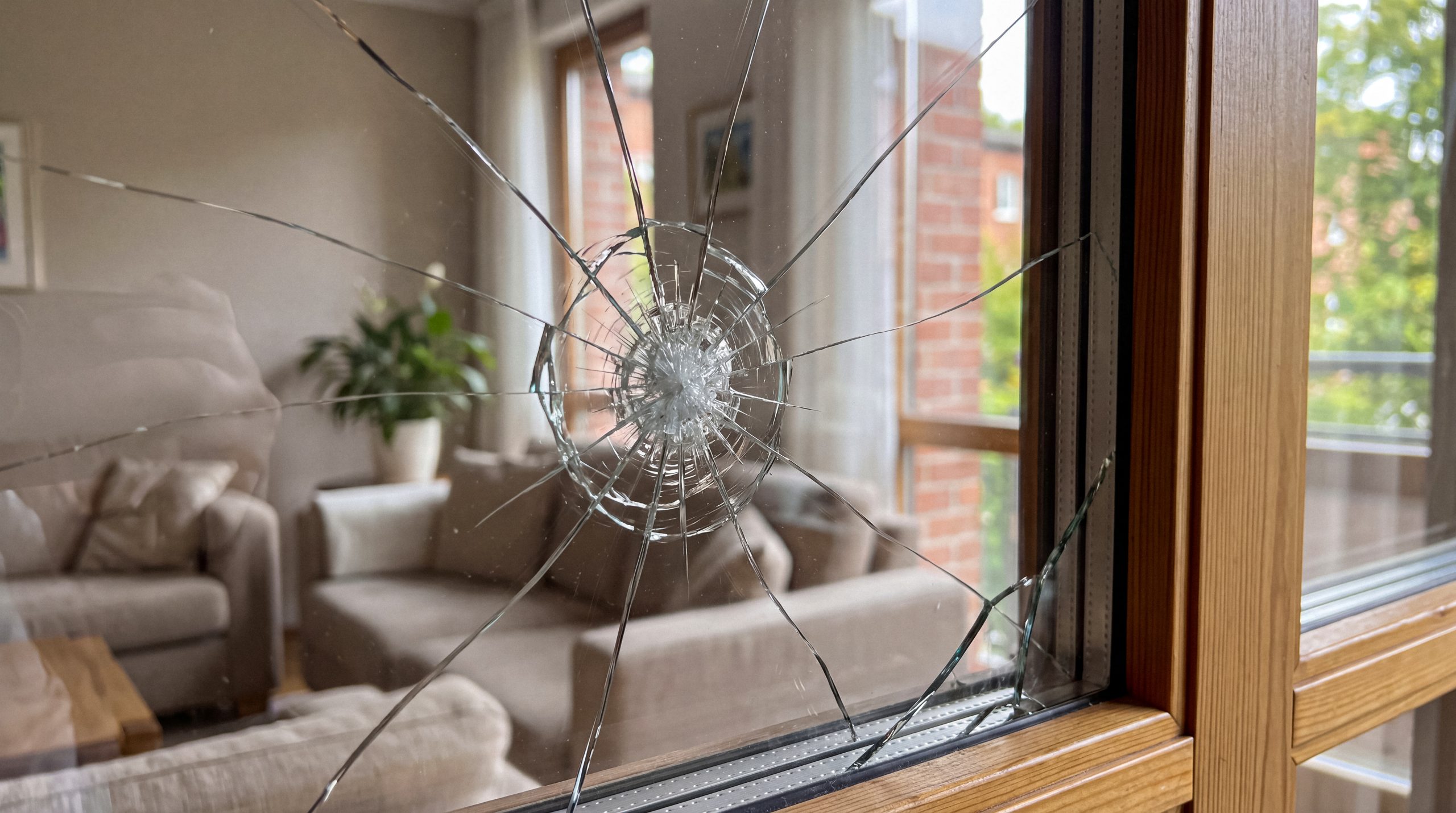
Burglary is typically covered by home contents insurance if the external circumstances clearly indicate that an unauthorized entry has occurred. This very question of proof often leads to disputes. Insurers scrutinize the evidence and sequence of events very carefully to determine their plausibility.
If the burglary is recognized as an insurance claim, vandalism damage is often also covered, i.e., damage caused by the perpetrator out of destructive rage.
Another problematic area is robbery. Legally, this requires that the taking occurs through violence or threats. It is important to distinguish this from situations where perpetrators act through deception. Insurers often classify such cases as uninsured, and they require careful examination.
Fire, lightning, tap water, storm and hail
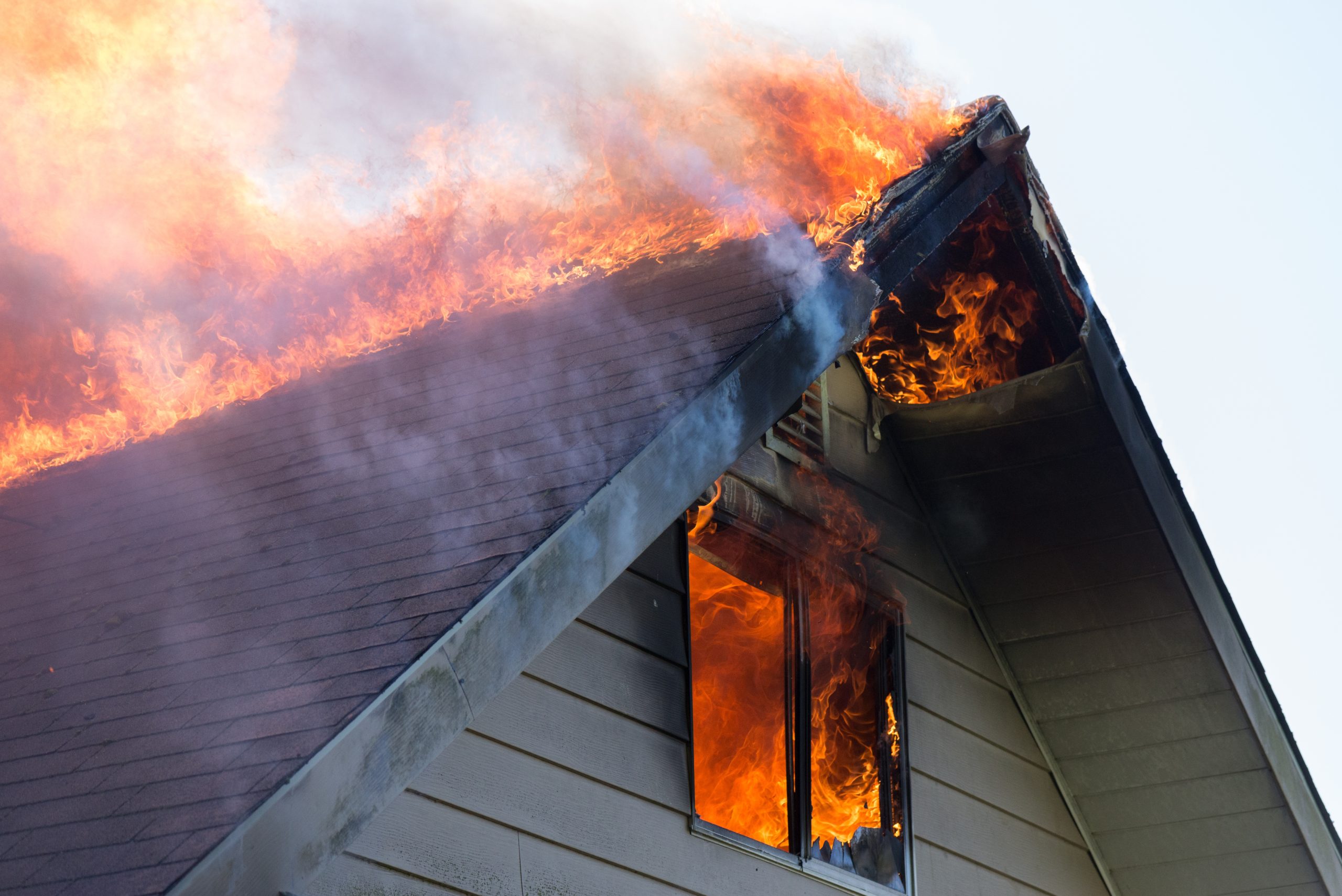
In cases of fire damage, questions often arise as to whether the fire was covered by insurance, whether the damage occurred at the correct insured location, and which consequential damages are covered. In cases of lightning strikes and power surges, it is often disputed whether a lightning event was actually the cause or whether there was a general power outage.
Water damage from burst pipes regularly leads to discussions about whether water escaped from supply or drainage pipes "contrary to its intended purpose" and which specific items were affected. In the case of storm and hail damage, on the other hand, immediacy plays a major role, because insurers often differentiate between consequential damage and other damages or classify them as not covered.
Especially in cases of extensive damage, clear documentation and a legally sound presentation to the insurer are crucial.
Obligations, gross negligence and benefit reductions
A central aspect of insurance law is the concept of obligations. These are contractual duties that policyholders must observe before or after a loss occurs. Typical examples include safety regulations, duties of conduct when dealing with hazards, and obligations to cooperate in the investigation of the loss.
Insurers often cite gross negligence to reduce benefits. Allegations of breach of duty can also lead to a reduction or, in extreme cases, to a complete denial of benefits. Whether a reduction is legally permissible and whether the insurer can substantiate its claims is always a matter of individual circumstances.
Underinsurance, compensation limits and valuation
Another frequent point of contention is underinsurance. If the sum insured is less than the actual value of the property, the insurer can reduce the payout proportionally. Many policyholders only become aware of this when a claim arises.
Furthermore, questions regarding valuation regularly arise in home contents insurance. Depending on the policy, either the replacement value or the current market value is decisive. In the case of damaged items, the issues often concern repair costs, residual value, pre-existing damage, or proof that replacement is necessary.
Practical examples from household insurance
In legal practice, typical situations repeatedly arise in which policyholders were only able to fully enforce their claims after receiving legal support.
In one case, the entire jewelry collection was stolen from an apartment after a burglary. The insurer invoked a compensation limit for valuables and additionally argued that the apartment was allegedly inadequately secured. Review of the contract terms However, it turned out that the agreed-upon safekeeping clause was not applicable in this specific case and the conditions for a reduction in benefits were not met. The settlement was ultimately reached in a significantly larger amount than initially offered.
In another case, a burst pipe caused significant damage to furniture and electrical appliances. The insurer initially only wanted to reimburse the depreciated value and further reduced the payout due to alleged pre-existing damage. A thorough analysis of the policy terms revealed that replacement cost coverage had been agreed upon and that the alleged pre-existing damage was irrelevant. The policyholder subsequently received a correspondingly higher settlement.
Such cases demonstrate that the legal classification of the contract's content and the specific circumstances of the damage is crucial.
Experience in insurance law – nationwide representation in household contents cases
Rogert & Ulbrich have been active in insurance law for many years and represent policyholders nationwide in disputes with insurers. We are familiar with the typical claims settlement processes and the recurring issues. Reasons for rejection and the insurers' lines of argument.
Our aim is to enforce your rights in a structured, transparent, and consistent manner. Depending on the case, this is achieved through out-of-court settlements or by filing a lawsuit against the insurer.
10 Questions & Answers about Loss of License Insurance
Have your claim reviewed now
If your insurer refuses to settle your claim, reduces benefits, or denies your home contents insurance, you should not accept the decision without review. Especially in cases of significant damage, a legal assessment is often the crucial step.
Have your case reviewed by an insurance lawyer to clarify your rights as a policyholder under your home contents insurance. Schedule an initial consultation and gain legal clarity.

Professional advice & support
We offer you a professional and comprehensive initial consultation in the field of insurance law. Take advantage of this opportunity and avoid mistakes.