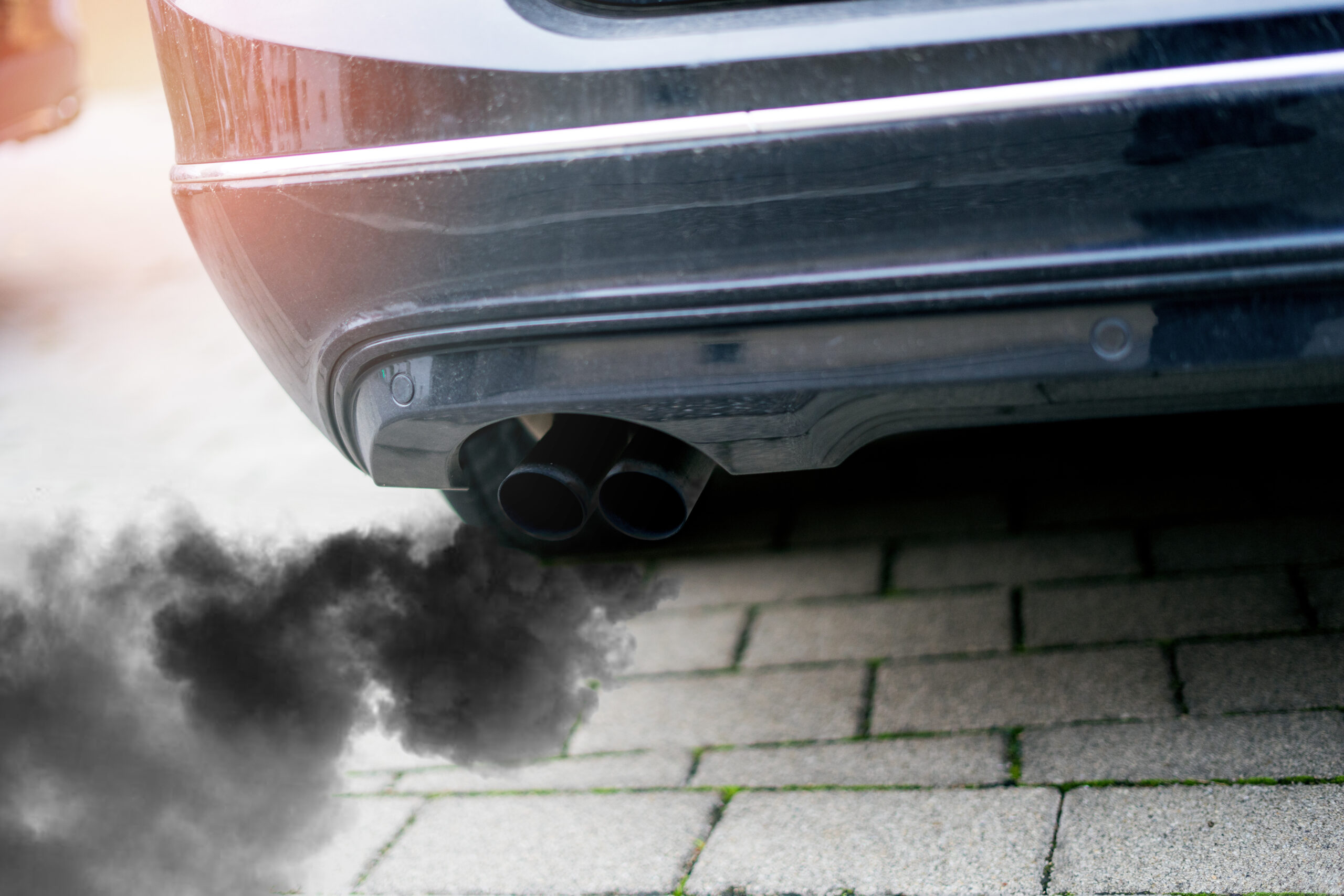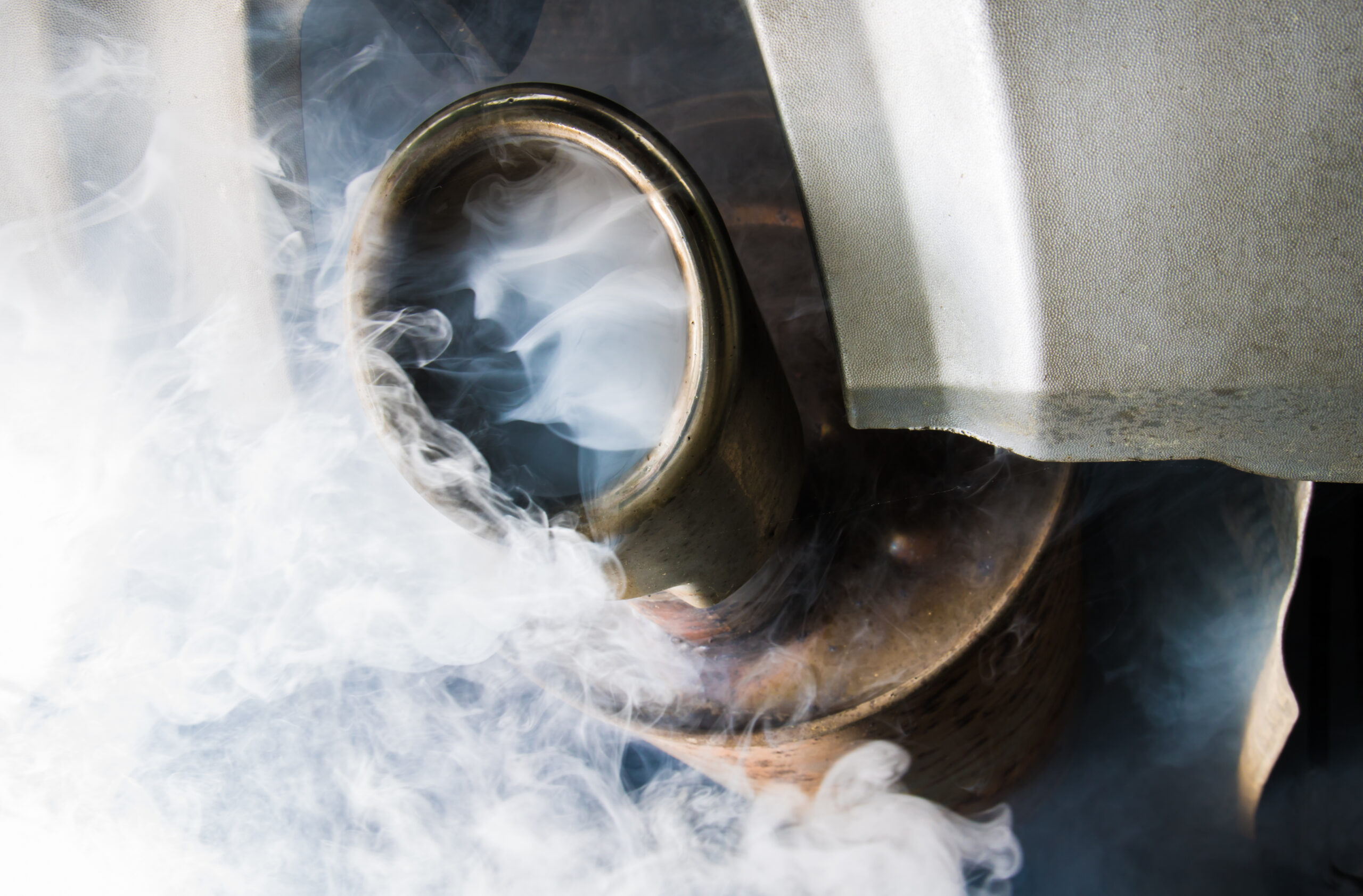

Volkswagen must pay damages.
Volkswagen has intentionally and immorally harmed its customers and must reimburse them for the gross purchase price of the vehicles, less compensation for the kilometers traveled. With this ruling, the Federal Court of Justice (BGH) provides legal certainty for tens of thousands of plaintiffs. The Karlsruhe ruling is likely to prove costly for the Volkswagen Group.
Five years after the announcement of the VW diesel emissions scandal and three years after our first nationwide judgment for emissions fraud in January 2017 in Hildesheim, the Federal Court of Justice has set a milestone: As the highest instance, the VI Civil Senate has determined that Volkswagen intentionally and immorally harmed its customers by installing defeat devices pursuant to Section 826 of the German Civil Code (BGB) – and did so over years and in a strategically planned manner. Therefore, VW owes its customers damages amounting to the gross purchase price. This also applies to used cars. According to presiding judge Stephan Seiters, the damage had already occurred when the contract for the purchase of the manipulated vehicle was concluded. A software update would not change this. However, as part of the so-called equalization of benefits, injured customers must claim compensation for the kilometers driven; German law does not provide for punitive damages. This saves VW a lot of money – and the longer the proceedings drag on, the more money it saves.

"The ruling is very pleasing, but not a surprise. The Federal Court of Justice has upheld its preliminary assessment from the oral proceedings on May 5, 2020. It continues the jurisprudence of most higher and regional courts and provides clear guidance to lower courts. A bitter disappointment for Volkswagen is likely to be the BGH's clear rejection of the automaker's mantra-like legal opinion that customers suffered no damage. With all the outstanding issues, this ruling will have dramatic consequences. In the emissions scandal alone, more than 100,000 cases against VW are pending judgment. Settlements are likely to become even more expensive in the future – and not just for Volkswagen. BMW, Daimler, and other manufacturers also installed illegal defeat devices – and must now expect consequences."
Partner Dr. Marco Rogert
How VW tried to prevent proceedings from the Federal Court of Justice
The fact that there is now finally a supreme court ruling is due not least to the perseverance of the buyer of a manipulated VW Sharan, who persistently and unwaveringly went through all instances from the Koblenz Regional Court to the Federal Court of Justice and rejected all settlement offers from VW.
With a deep dive into the company's coffers, the Wolfsburg-based car company – as well as the Daimler AG – have so far always succeeded in preventing supreme court rulings and expanding the biggest industrial scandal in the Federal Republic of Germany into a seemingly never-ending story.
Proceedings against VW before the Federal Court of Justice were already pending in 2018 and 2019, but in both cases the plaintiffs withdrew their lawsuit shortly before the start after reaching a – presumably generous – settlement with VW. Nevertheless, the Karlsruhe judges expressed their legal opinion in a 2019 advisory decision In it, they took the view that "a vehicle which, upon delivery to the buyer, is equipped with an inadmissible defeat device that reduces nitrogen oxide emissions on the test bench compared to normal driving conditions, can be assumed to have a material defect."
BGH ruling creates legal certainty in the emissions scandal
What remains unclear?
Today's landmark ruling by the Federal Court of Justice brings clarity and legal certainty to the central question of intentional, immoral damage. However, other crucial questions remain open, such as the tort interest awarded to injured parties by many regional courts and some higher regional courts. This exciting, economically significant legal issue will be clarified in the further hearings scheduled for July. Also remaining are the questions regarding the beginning of the statute of limitations and thus the onset of the limitation period, as well as the question of whether a vehicle purchase after the emissions scandal has become public knowledge still entitles the claimant to compensation.
Who benefits from the BGH ruling?
Today's decision by the Federal Court of Justice benefits all plaintiffs whose cases have not yet been ruled on by the highest court, as well as consumers who participated in the model declaratory action against VW but did not accept VW's settlement offer. Car buyers who have not taken any action to date can also still sue. However, they face an increased risk of litigation because some courts assume the statute of limitations has expired. Furthermore, not only buyers of diesel vehicles with EA189 engines are affected. Other engines have also been manipulated and, in addition to VW also have BMW, Daimler and other manufacturers deceived their customers.
"Finally, there is legal certainty for millions of defrauded diesel drivers! The Federal Court of Justice's ruling will have dramatic consequences for all the remaining questions. In the emissions scandal alone, more than 100,000 cases against VW are pending judgment. Professor Dr. Marco Rogert explains the impact of the Federal Court of Justice's ruling on current and future lawsuits against the automakers."
Partner Dr. Marco Rogert
You might also be interested in:
Record prices for diesel - Now is the time to reverse your car
Diesel is at a record high in Germany and petrol is also approaching a…

VTDI emissions scandal involving VW, Audi and Porsche
For many German car manufacturers, the diesel emissions scandal is still omnipresent, including the VW Group…

Audi AG ordered to take back a Porsche Cayenne S
Audi AG was ordered by the Cologne Higher Regional Court to take back a Porsche Cayenne S 4.2l….