
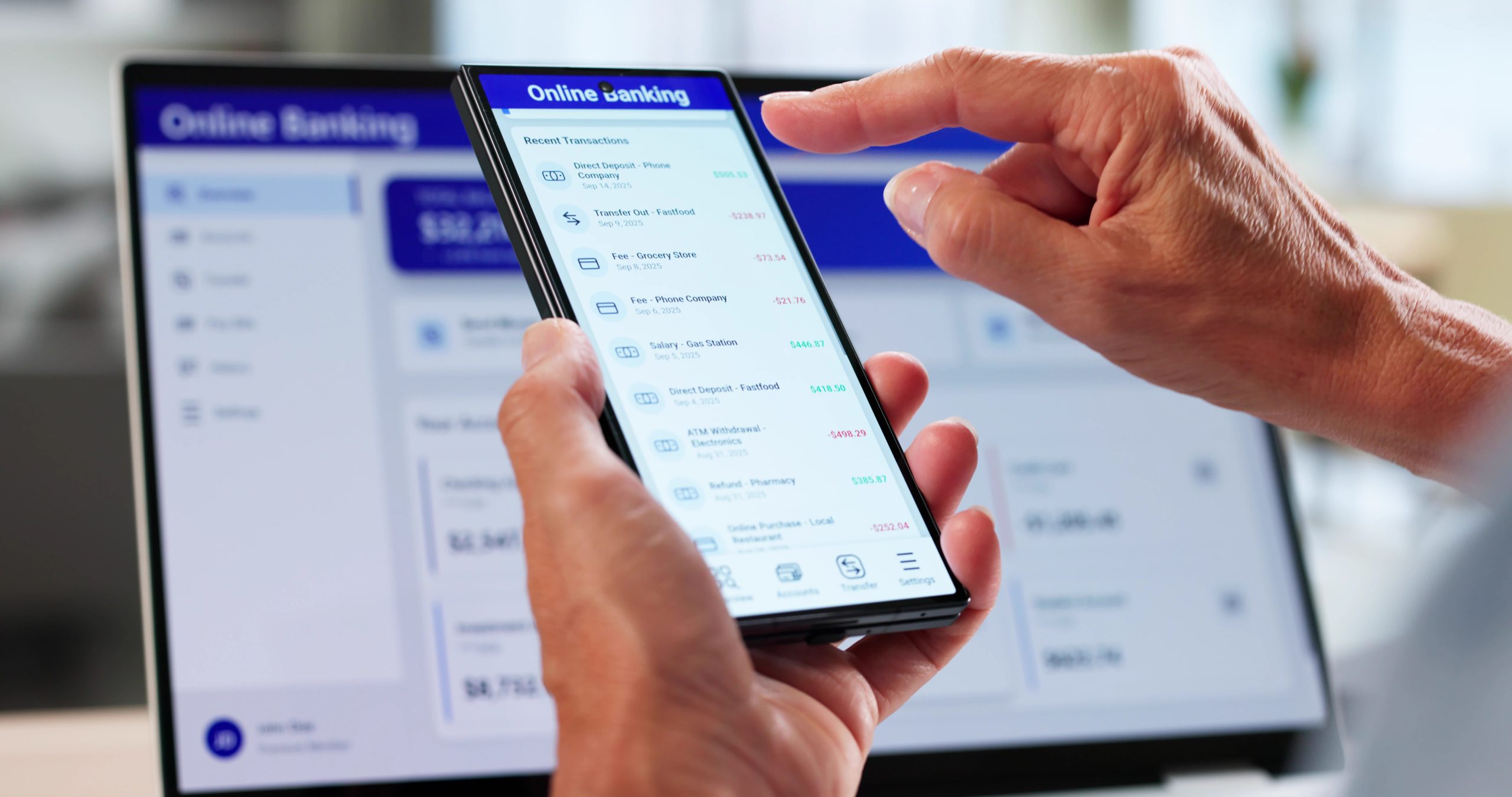
What bank customers should know about recipient verification and its liability consequences
If you dismiss a recipient verification warning during online banking and still authorize a transfer, you generally bear the risk yourself. If the money goes to fraudsters, the bank is usually not obligated to reimburse you. The situation may be different if the verification process was flawed or the bank failed to provide adequate warnings. Rogert & Ulbrich will assess whether you can reclaim your money.
What's behind the warning messages in online banking?
Since October 9, 2025, banks in the Eurozone have been required to verify that the recipient's name matches the specified IBAN before every SEPA transfer. This is based on the EU Regulation on instantaneous transfers (Regulation (EU) 2024/886), which added a new Article 5c to the SEPA Regulation. This recipient verification, internationally known as Verification of Payee, applies to both standard and instant transfers.
The aim is to protect against fraud and erroneous transfers. Fraudsters often use fake invoices, manipulated emails, or impersonate bank employees. They use a trustworthy recipient name but provide an IBAN belonging to their own account. Previously, this went unnoticed because banks processed transfers solely based on the IBAN (Section 675r of the German Civil Code). The name was irrelevant.
Especially with real-time transfers, the money is in the recipient's account within seconds. A reversal is then often virtually impossible. This makes the moment the warning appears all the more important.
A warning message during the transfer process is not a formality. Take it seriously before releasing the payment.
The results of the recipient verification and their significance
After entering your name and IBAN, the bank compares the data with the recipient's bank. Depending on the result, you will receive different feedback:
- accordanceThe name and IBAN match. The transfer can be made without further explanation.
- Partial agreementThe name may differ slightly, for example due to a typo. The bank will show you the actual name on file so you can verify it.
- No matchThe name and IBAN do not match. The bank warns that the money may be sent to someone other than the intended recipient.
- Testing not possibleThe recipient bank cannot provide any information. In this case, you will usually receive a notification that the recipient could not be confirmed.
The bank is not allowed to prevent you from releasing the payment despite a warning (Art. 5c para. 5 SEPA Regulation). The decision rests with you, and therefore so does the risk.
If the displayed name differs, verify the recipient via a second method, such as by calling a number you know.
Warning ignored: When you bear the damage yourself
If you authorize a transfer despite the bank having warned of a mismatch, the bank is generally not liable for the loss. Article 5c, paragraph 8 of the SEPA Regulation clarifies: If the bank has properly carried out the recipient verification, it is not responsible if the money ends up with the wrong recipient due to an incorrect IBAN.
Furthermore, a principle of German payment law applies: A transfer that you yourself authorize is an authorized payment (§ 675j BGB). The right to a refund for unauthorized payments (§ 675u BGB) does not apply, even if you have been deceived by fraudsters. This covers typical scams such as fake invoices from tradespeople, bogus rental deposits, or calls allegedly from the bank.
Your bank must inform you before releasing the payment about the consequences of ignoring a warning regarding your liability and your rights to reimbursement (Article 5c, paragraph 7 of the SEPA Regulation). If this information is missing, it could be significant in your case.
Clicking "Transfer anyway" could cost you the entire amount. In case of fraud, have the bank check whether it has fulfilled all its obligations.
When the bank can still be liable
Liability does not automatically lie with the customer. There are situations in which the bank must compensate for the damage or at least cooperate in the recovery process:
- Faulty inspectionIf the bank has not carried out the recipient verification or has carried it out incorrectly and this has resulted in an erroneous transfer, it must refund the amount immediately (Art. 5c para. 8 SEPA Regulation).
- No warning or unclear warningIf no warning appeared despite a different name, or if the notice was misleading, a claim for reimbursement may exist.
- Missing liability informationThe bank must inform customers about the consequences of ignoring a warning. A violation can give rise to legal claims.
- Unauthorized paymentIf fraudsters have accessed your account and initiated the transfer without your authorization, Section 675u of the German Civil Code (BGB) applies. The bank must then reimburse you, provided that you are not proven to have acted with gross negligence (Section 675v BGB).
- Retrieval: In the case of an incorrect IBAN, the bank must make reasonable efforts to recover the money (§ 675y para. 5 BGB).
In cases of fraud, banks often categorically claim that the customer is at fault. Whether this is true depends on the specific circumstances of each case. Further information on... online banking fraud You can find them here.
Is your bank refusing your refund? Don't accept the refusal without checking it first.
Consumer advocates criticize: false alarms and habituation effect
The Federation of German Consumer Organizations (vzbv) considers recipient verification to be fundamentally sensible, but criticizes its implementation. According to the vzbv, many systems only check the exact character sequence. If a middle name is missing, a hyphen is placed differently, or the first and last names are reversed, a warning already appears.
According to a Forsa survey commissioned by the German Federation of Consumer Organizations (vzbv), the majority of those who receive warning notifications at all receive them for roughly one in four bank transfers or more frequently. Consumer advocates fear a desensitization effect: those who constantly see false alarms will eventually dismiss genuine warnings as well. The vzbv is therefore calling for systems that can detect minor discrepancies and more reliably filter out genuine fraud cases.
The criticism currently changes nothing regarding liability. Under current law, anyone who ignores a warning still bears the risk. This makes it all the more important to check each warning individually, even if it appears frequently.
Frequent false alarms are no reason to ignore warnings altogether. Examine each case individually.
Here's how to protect yourself and what to do after an incorrect transfer.
Most fraud cases can be avoided by following a few basic rules:
- Copy names exactlyEnter the recipient's name exactly as it appears on the invoice or contract.
- Take this warning seriouslyIf there is "no match", cancel the transfer and contact the recipient independently.
- Check changed bank detailsIf a business partner sends you a new IBAN via email, call them on a known number.
- No time pressureScammers often pressure you to make immediate payment. Don't be pressured into a real-time transfer.
If the money has already been transferred, every minute counts:
- Inform the bank immediatelyReport the erroneous transfer or suspected fraud immediately and request a refund.
- File a criminal complaintReport the fraud to the police and keep all evidence.
- Secure evidenceSave screenshots of the transfer, the displayed warning, emails, chat histories, and invoices.
- Have your claims reviewedIn addition to the bank, claims against the recipient may be considered, for example for repayment of the amount wrongfully received (§ 812 BGB).
More information about fraud cases and to banking law You can find them here.
Have you transferred money to fraudsters? Act immediately and have your claims against the bank and recipient reviewed.
Rogert & Ulbrich: Your lawyers in banking law
Rogert & Ulbrich represents bank customers in cases of online banking fraud, phishing, erroneous transfers, and denied refunds. Attorneys Dr. Marco Rogert and Tobias Ulbrich have many years of experience in consumer protection. The firm has handled over 40,000 cases and filed over 25,000 lawsuits.
We will investigate whether your bank properly conducted the recipient verification, adequately warned you, and informed you about the liability consequences. We will pursue reimbursement out of court, pursue claims against the recipient, and enforce your rights in court if necessary.
Is your bank refusing a refund, citing an ignored warning? Get in touch and secure your claims.