What the basic building block actually covers, when a flood is considered to have occurred, and what the planned mandatory insurance means.
After a flood, many homeowners face an unpleasant surprise: their building insurance doesn't pay out because natural hazard damage wasn't included in the policy. Floods, inundations, and backflow are only covered by an additional policy component, not automatically. Rogert & Ulbrich will review your policy and your claims after a natural disaster.
Why flooding is not automatically insured
Standard home insurance covers damage caused by fire, water leaks, storms, and hail. However, damage from natural hazards such as flooding or sewage backup is not included in the standard coverage. This type of damage is only covered if you have additionally purchased natural hazard coverage, often referred to as the natural hazards add-on.
This component is not included in many existing contracts. Those who haven't explicitly purchased it are left without protection for building damage after a flood. From his previous work on the insurance side, lawyer Dario Kovac knows how often disputes arise precisely at this point.
Is your insurer refusing your claim after a flood? First, check whether you had a basic coverage clause in your policy, as this determines whether a claim will be accepted. Insurer's refusal to pay benefits is entitled.
What natural hazard insurance actually covers
Natural hazard insurance covers damage caused by a range of natural hazards that are not included in standard insurance policies. These typically include:
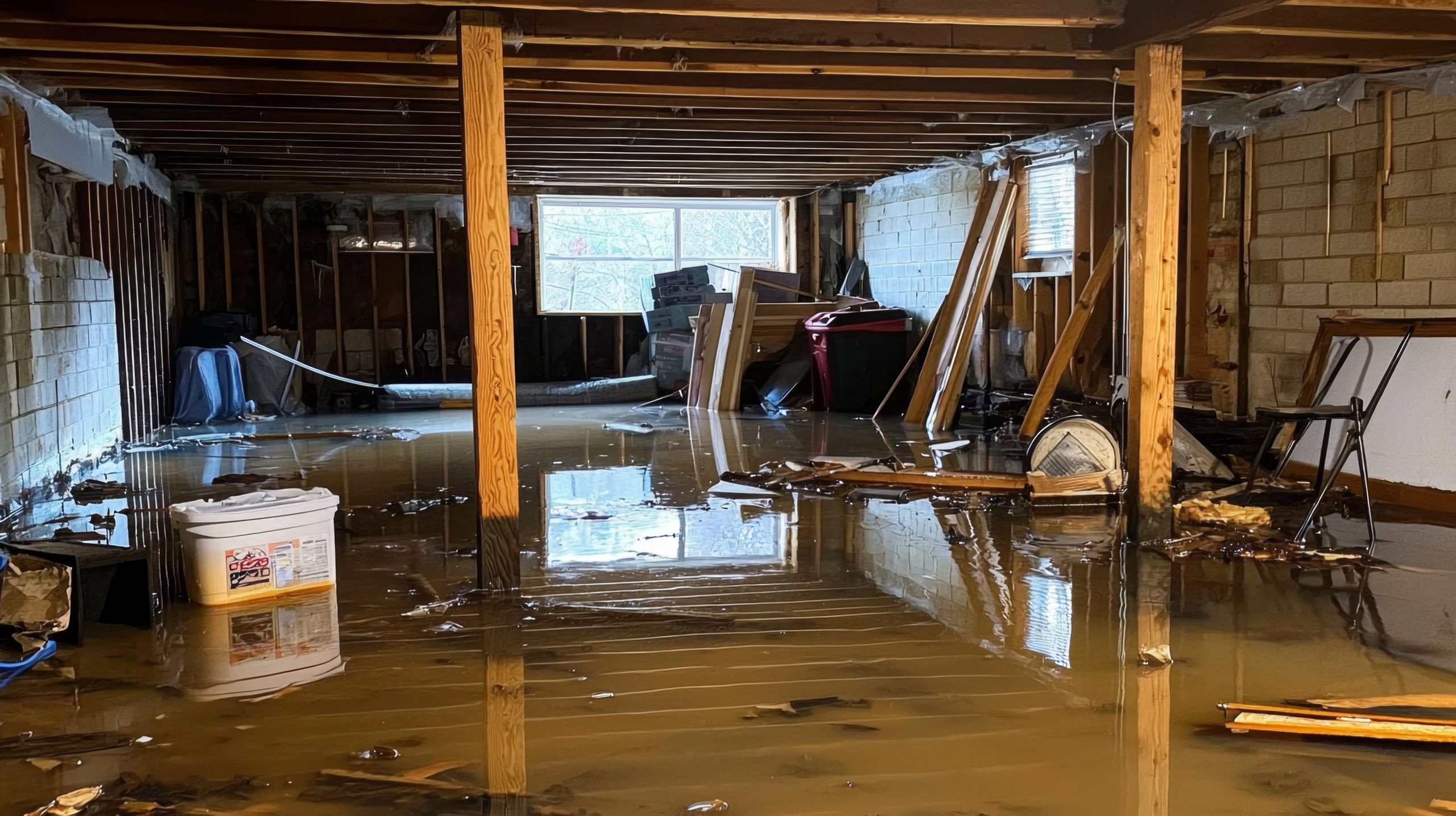
- Flooding and heavy rain: When water collects on the property and gets into the building.
- Backflow: When water from an overloaded sewer system is forced back into the building.
- Snow pressure and avalanchesDamage caused by the weight of snow or by avalanches.
- Landslide, subsidence and sinkhole: Ground movements that damage the building.
- Earthquake and volcanic eruptionLess common, but also covered by the elementary building block.
Which of these risks are covered in your contract, and what conditions and exclusions apply, is detailed in your insurance terms and conditions. The scope of coverage may vary from policy to policy.
Not sure which natural hazards your policy covers? Have your policy and terms and conditions reviewed.
When a flood exists within the meaning of the conditions
Even with basic coverage, the insurer doesn't pay out for every water damage claim. Flooding is defined separately in the policy terms. This typically refers to the inundation of the insured property, for example, due to overflowing waterways or heavy rainfall.
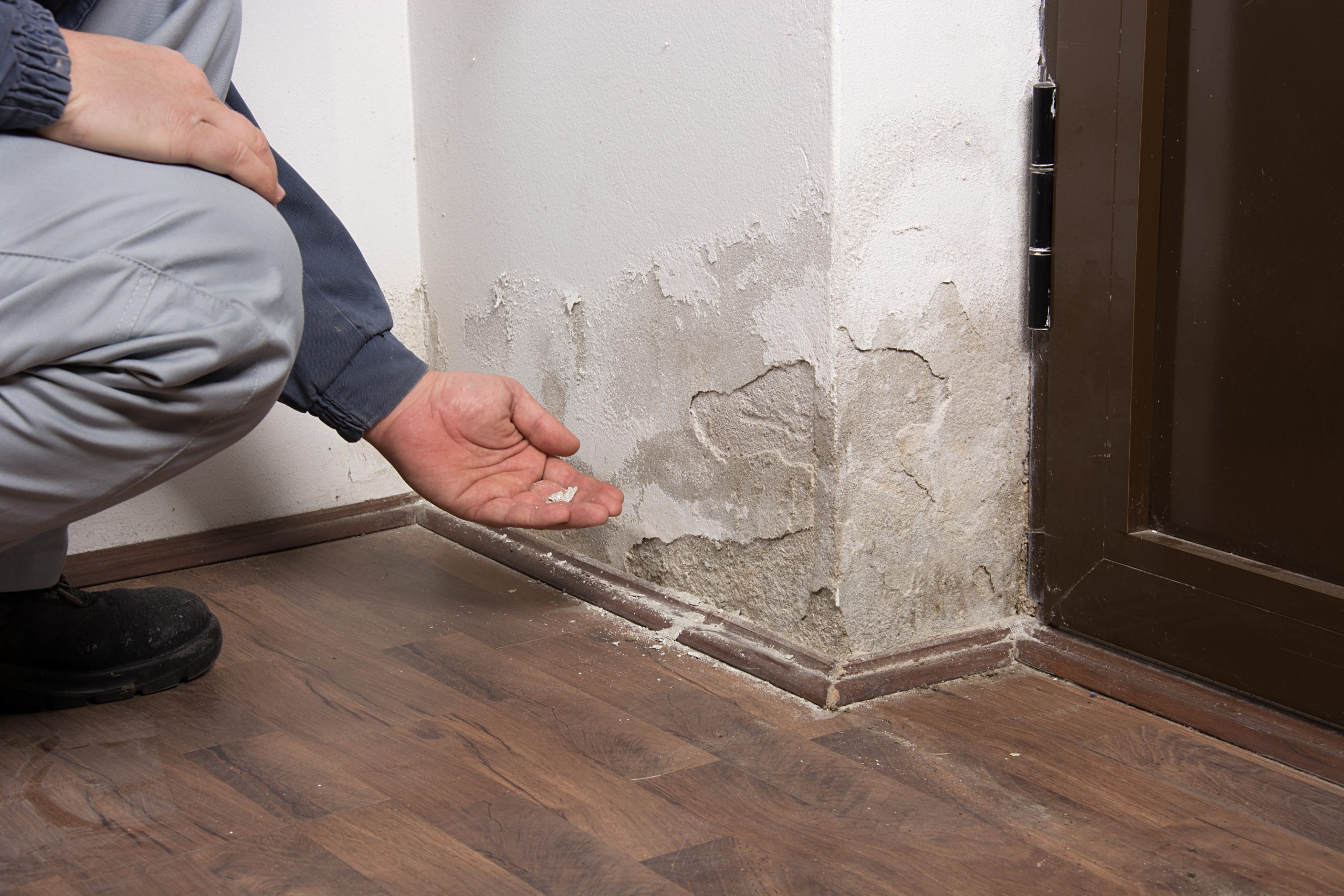
The crucial point is that the water must first accumulate on the property and then enter the building. If, on the other hand, rainwater penetrates directly through the wall or seeps in without the property being flooded, this definition often fails to establish a flood. This is precisely where insurers intervene and deny claims, even when the basement has been proven to be flooded.
Whether a flood occurred within the meaning of the conditions is therefore often a question of... Contract interpretation and breaches of duty and the actual sequence of events. Photos and witness statements regarding the water level on the property are crucial here.
The insurer denies that there was a flood? Secure evidence of how the water actually entered the building.
Backflow, groundwater and typical exclusions
Two other situations are particularly likely to lead to arguments:
- BackflowBackflow is only covered by the basic building block insurance, not by the mains water coverage. Many policies also require, as a condition of the policy, a functioning and maintained backflow preventer. If it is missing, the insurer will reduce or deny coverage. However, such reductions are subject to the rules regarding breach of duty and are not always justified.
- GroundwaterDamage caused by groundwater seeping from below is often ruled out, as long as the groundwater does not reach the surface as a result of flooding. However, the distinction can be difficult in individual cases and is a frequent point of contention.
Additional exclusions may apply, for example, for damage caused by storm surges or for specific parts of buildings. A close look at the specific terms and conditions will determine what is covered and what is not.
Is the insurer citing groundwater or a lack of backflow protection? Have it checked whether the exclusion or reduction is actually valid.
Risk situation, ZÜRS Geo and the question of insurability
The cost of flood protection, and whether it's even offered, depends heavily on your building's location. Insurers assess flood risk using a system called ZÜRS Geo, which categorizes properties into hazard classes. In high-risk areas, coverage can be expensive or only available with certain conditions.
If you are denied basic protection or offered it only under very unfavorable conditions, it is worth comparing several providers and checking whether structural protective measures could improve the classification. A blanket exclusion of entire building sections is not justified in every case.
Can't get affordable basic insurance? Have your options assessed based on your risk situation.
The planned mandatory insurance – current status and what you should do now
Because many buildings lack natural hazard protection, mandatory coverage has been under discussion since the major floods. According to the federal government's coalition agreement, residential building insurance policies will only be offered with natural hazard protection in the future, with the option to opt out after receiving information. Existing contracts are to be extended accordingly by a specific date.
This regulation has not yet been finalized, and the details are still open. The project is expected to be advanced in the second half of 2026 (as of July 2026). For you, this means that waiting for a legal solution is not a reliable strategy. Anyone wishing to protect themselves should check whether and to what extent they have basic insurance coverage.
We will discuss the specifics of how home insurance covers heavy rain in a separate article. You can find an overview of our work on our website. Lawyer specializing in building insurance.
Are you unsure whether your contract covers damage caused by natural disasters? Have it checked before the next storm hits.
Rogert & Ulbrich – Your lawyers in insurance law
Rogert & Ulbrich represent property owners nationwide in disputes with their home insurance companies following natural disasters. Attorney Dario Kovac, who is familiar with insurers' review and rejection strategies from his previous work on the insurers' side, serves as the contact person. We combine this insider knowledge with the firm's consumer protection experience from major cases in banking, capital markets, and automotive law. This allows us to engage with insurers on equal footing.
We review your policy and its terms and conditions, assign the damage to the correct peril, and verify whether a flood, as defined in the policy, occurred or whether an exclusion is correctly applied. In the case of the Examination and enforcement of claims arising from insurance contracts We represent you out of court and, if necessary, in court. We involve any existing legal expenses insurance early on and obtain the coverage confirmation for you.
Has your home insurance company rejected or reduced your claim after a flood? Get in touch and secure your rights.