When behavior constitutes gross negligence, how much the insurer is allowed to reduce the payout, and who has the burden of proof.
Is your insurer accusing you of gross negligence and reducing your benefits? In cases of gross negligence, the insurer is no longer obligated to reduce the benefit to zero, but may only reduce it proportionally, according to the severity of your fault. Whether gross negligence actually exists and the amount of the reduction are often contestable. Rogert & Ulbrich will review the reduction and enforce your claims.
From all or nothing to quotas: what has changed in Section 81 of the German Insurance Contract Act (VVG).
If you caused the insured event through gross negligence, the insurer could previously refuse to pay out entirely. This is no longer the case. According to Section 81 of the German Insurance Contract Act (VVG), the insurer may now only reduce the payout in cases of gross negligence in proportion to the degree of your fault. This is known as proportional reduction.
Only in cases of intent is the insurer completely exempt from liability. In cases of simple negligence, however, the insurer remains fully liable. Gross negligence falls somewhere in between and leads to a proportional reduction in benefits. From his previous work on the insurance side, lawyer Dario Kovac knows that insurers often like to manipulate both the accusation and the percentage of liability to their advantage.
Is the insurer reducing the payout due to gross negligence? Don't accept the justification without question, because a Benefit reduction by the insurer is subject to clear conditions.
When behavior is grossly negligent
Gross negligence means that you have violated the required standard of care in traffic to a particularly serious degree, i.e., you have disregarded what should have been obvious to everyone. This is significantly more than a simple oversight. Whether this threshold has been reached always depends on the individual case. Typical disputes include:
- Burning candleAn unattended candle that causes a fire is often considered gross negligence. However, the specific situation is crucial, including the duration and location.
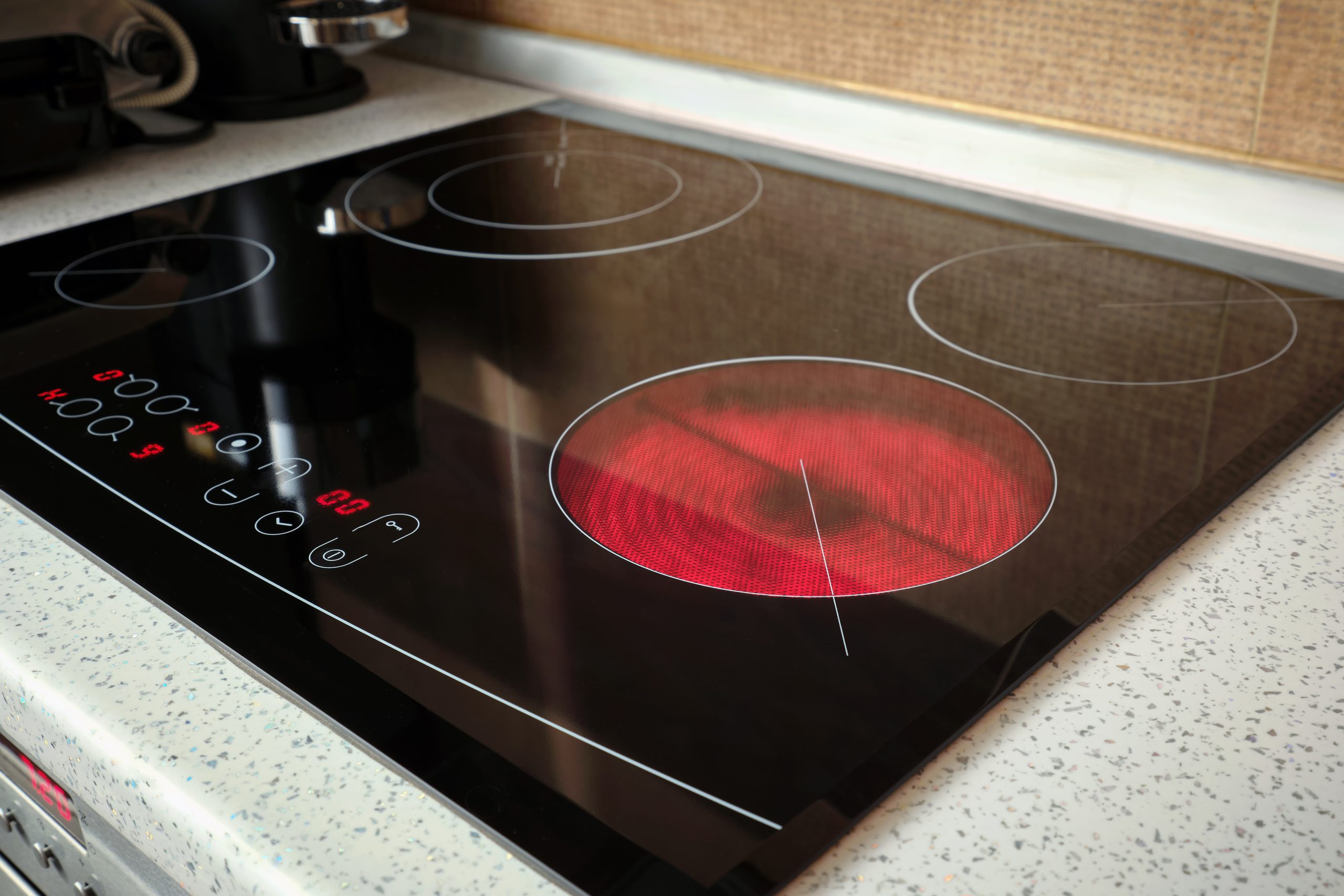
- kettle and stoveA kettle or a stovetop left switched on and unattended, causing damage, is a classic accusation. Here, too, the circumstances matter.
- unlocked door or tilted windowIn the case of a burglary, the insurer often bases its claim on an unlocked door or a tilted window. Whether this constitutes gross negligence depends on accessibility and the overall situation.
It's important to understand that not every mistake constitutes gross negligence. There's a wide spectrum between a simple oversight and a particularly serious breach of duty of care, and insurers tend to portray every mistake as gross negligence.
Does your insurer classify your behavior as grossly negligent? Have it checked whether the threshold has actually been reached in your specific case.
How much the insurer is allowed to reduce the price
Even if gross negligence is established, this does not automatically determine the amount of the reduction. The percentage depends on the severity of the fault in each individual case. The less serious the accusation, the lower the reduction must be.
There is no rigid rule such as a blanket 50 percent reduction. Depending on the case, the reduction can be significantly lower, and in borderline cases bordering on simple negligence, a reduction may be waived entirely. The insurer must provide a comprehensible justification for its reduction. A schematic or blanket reduction often does not withstand scrutiny.
In addition, many modern contracts waive the defense of gross negligence entirely or partially. Whether your contract contains such a clause can refute the accusation from the outset.
Does the reduction rate seem too high to you? Have it checked to see if it truly reflects the severity of your offense.
Burden of proof: what the insurer must prove
The burden of proof is in your favor. The insurer must prove that you caused the insured event through gross negligence. They must therefore present and prove both the external sequence of events and the particularly serious degree of fault.
If the circumstances or the extent of the fault remain unclear, this works to the insurer's detriment. Mere suspicion or general experience is insufficient. The insurer also bears the burden of proof regarding the percentage of liability, as it is relying on the benefit-reducing effect of its objection.
Whether the accusation and the quota are valid is therefore often a question of... Contract interpretation and breaches of duty and the evidence, which can be thoroughly examined.
Is the insurer basing the reduction solely on assumptions? Have it checked whether they can even prove gross negligence.
Gross negligence and duties: the difference
The reduction in compensation due to gross negligence under Section 81 of the German Insurance Contract Act (VVG) concerns the causation of the damage. This is distinct from the breach of a duty, such as a contractually agreed security obligation. The consequences of a grossly negligent breach of duty are governed by Section 28 of the VVG, which also provides for a proportional reduction according to the degree of fault.
In both cases, the same principle applies: Complete exemption from liability only occurs in cases of intent; in cases of gross negligence, the benefit is reduced proportionally; in cases of simple negligence, the benefit remains payable. Additionally, in cases of breach of duty, the rebuttal of causation applies: If the breach was not the cause of the damage, the insurer remains liable.
Is the insurer claiming a breach of duty of care? Have it examined whether the breach was actually the cause of the damage.
What you should do if the insurer reduces your payout
In cases of salary reductions due to gross negligence, a structured review is essential. These steps will help:
- Document the sequence of eventsDocument the exact sequence of events and secure photos, witnesses, and other evidence.
- Question the accusationCheck whether your behavior was truly grossly negligent or just a simple oversight.
- Check quota: Demand a comprehensible justification for the amount of the reduction and have it measured against the severity of the fault.
- Check conditionsClarify whether your contract waives the defense of gross negligence.
- Demanding proofAsk the insurer to explain the basis for their accusation. Mere assumptions are not sufficient.
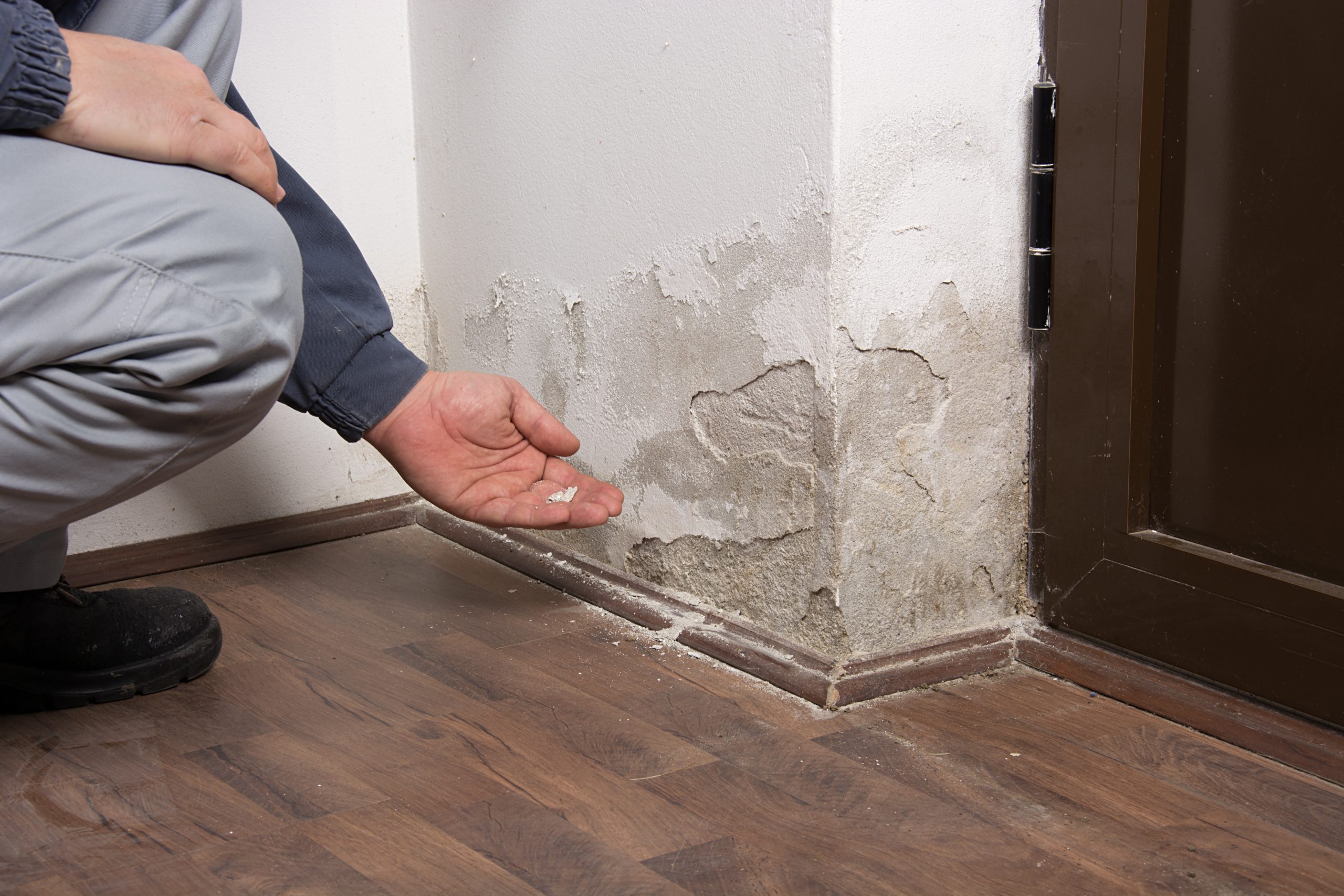
This point comes up in many areas, from household contents to building insurance. We discuss its impact on water and storm damage, for example, on our page. Lawyer specializing in building insurance. You can find an overview of our work in the section below. Insurance law.
The sooner the reduction is reviewed, the better your claim can be secured. Have your statement of account assessed while the deadlines are still open.
Rogert & Ulbrich – Your lawyers in insurance law
Rogert & Ulbrich represent policyholders nationwide when insurers reduce benefits due to gross negligence. Attorney Dario Kovac, who is familiar with insurers' review and reduction strategies from his previous work on the insurers' side, serves as the contact person. We combine this insider knowledge with the firm's consumer protection experience from major cases in banking, capital markets, and automotive law. This allows us to engage with insurers on equal footing.
We examine the reduction notice and the terms and conditions, question the accusation and the percentage, and check whether the insurer can actually prove gross negligence. In the case of the Examination and enforcement of claims arising from insurance contracts We represent you out of court and, if necessary, in court. We involve any existing legal expenses insurance early on and obtain the coverage confirmation for you.
Has your insurer reduced your benefits due to gross negligence? Get in touch and secure your claims.