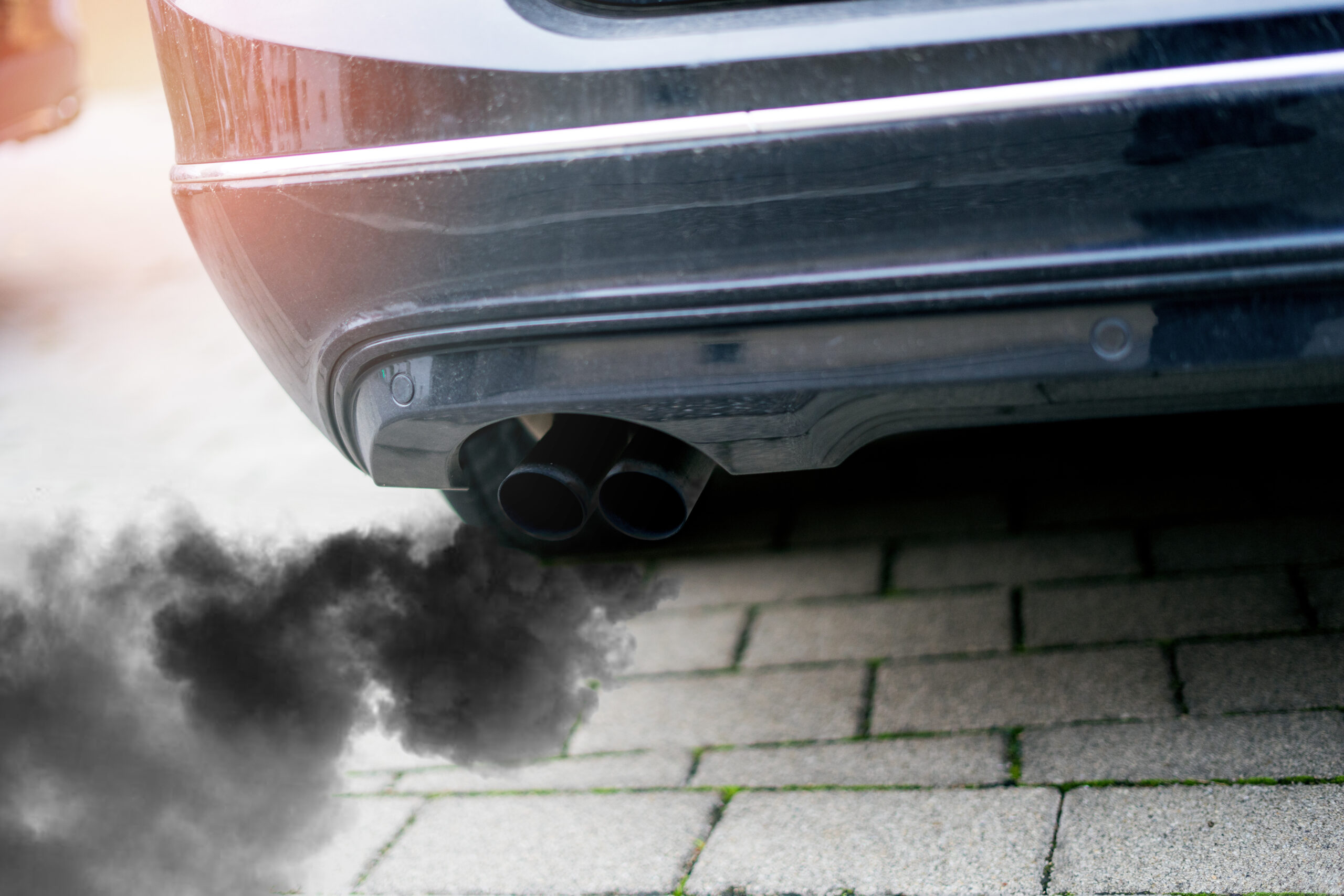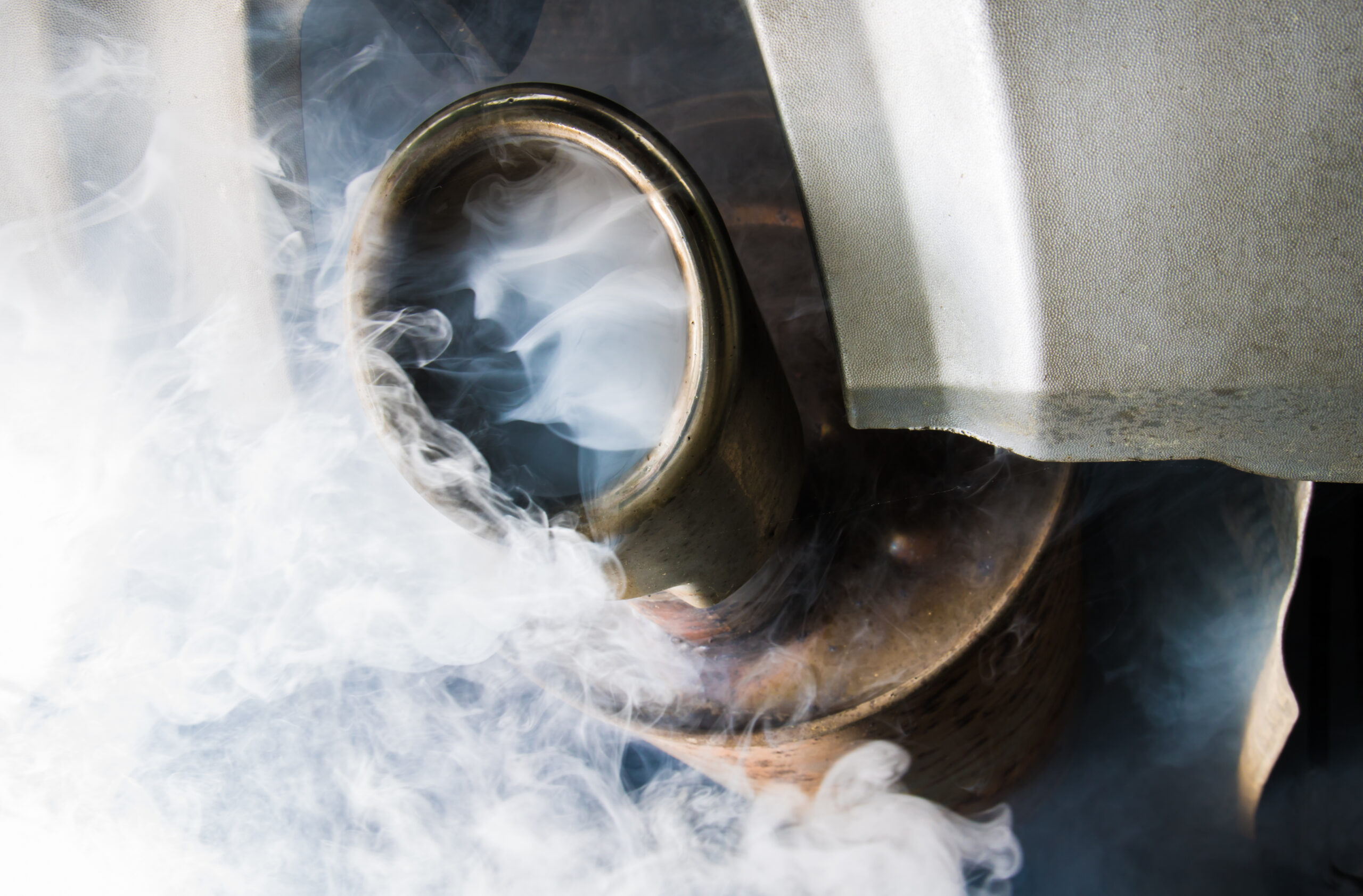

diesel emissions scandal.
When do the claims of injured diesel buyers expire in emissions scandal? This legally complex question is still controversial. A decision by the Marburg District Court now shows a new perspective and gives injured car buyers the opportunity to assert their claims well beyond 2020.
According to the prevailing legal opinion to date, claims for damages by many VW customers in the diesel emissions scandal have been time-barred since the end of 2019. However, the Marburg District Court now takes the view that the claim for damages by injured parties should not expire after 3 years, but only after 10 years in accordance with Section 852 of the German Civil Code (June 16, 2020, case number 9 C 891/19).
Section 852 of the German Civil Code states: “If the person liable for compensation has gained something through an unlawful act at the expense of the injured party, he is obliged to return the damage in accordance with the provisions on the return of unjust enrichment, even after the limitation period for the claim for compensation for the damage resulting from an unlawful act has expired. This claim expires ten years after it arises…”
The prerequisite is that there is a fundamental claim for damages - and the Federal Court of Justice clearly affirmed this in the diesel emissions scandal, initially only with regard to VW, but the ruling is likely to set the tone for proceedings against other car manufacturers.

"The Marburg decision offers interesting food for thought. It states that manufacturers who - like VW - have deliberately and immorally deceived their customers must pay for their financial losses even 10 years later. Volkswagen's delaying tactics and attempts to delay proceedings until the end of the statute of limitations will not get them through. Even if higher courts confirm this legal opinion, diesel buyers who have previously assumed that their claims were time-barred at the end of 2019 also have a good chance of getting their rights."
Partner Dr. Marco Rogert
Controversial: When does the limitation period begin?
The decision of the Marburg District Court sheds new light on an unresolved and controversial issue. Claims for damages due to intentional immoral damage under Section 826 of the German Civil Code are usually time-barred after 3 years - this is what Section 195 of the German Civil Code stipulates. However, it is still disputed when exactly this 3-year period begins. According to Section 199 of the German Civil Code, it runs from the end of the year in which the claim arose or the diesel buyer had or should have had knowledge of the "circumstances giving rise to the claim", i.e. the presence of an illegal switch-off device. This is exactly where the rub lies. There are still different views on the question of when customers could have known about the emissions manipulation, especially with the scandalous EA189 engine:
- The statute of limitations began at the end of 2015, i.e. at the end of the year in which the emissions scandal became public. In this case, diesel buyers would have had to assert their claims by December 31, 2018.
- The statute of limitations began at the end of 2016 or 2017 when VW informed diesel buyers about the switch-off devices in the EA 189. In this case, the limitation period would have expired on December 31, 2019 or would end on December 31, 2020. It should be remembered that until the BGH ruling in May, VW always denied that the buyers had suffered any damage at all. If one follows this adventurous argument, the question arises as to how customers can be aware of damage that supposedly does not even exist.
- Many lawyers and courts therefore take the view, in line with the Federal Court of Justice, that the limitation period only begins to run when the legal situation is clear. But there are also different opinions about when this is the case:
- After the first higher regional court rulings against VW in 2018 – then the limitation period would end on December 31, 2021.
- According to the BGH ruling of 25 May 2020 - then the limitation period would not end until December 31, 2023. This view is held by the Trier Regional Court, the Frankfurt am Main Regional Court and the Duisburg Regional Court, among others. The latter stated clearly in its ruling: "As long as there is no decision by the Federal Court of Justice in a comparable case, the legal situation must be regarded as unclear."
Special regulations apply to diesel buyers who joined the model declaratory action against VW, but have withdrawn their participation or have not received or accepted the VW settlement offer.
Still many open questions about the statute of limitations
In addition, further questions remain unanswered: What applies to diesel buyers who buy other vehicles from the Volkswagen Group, such as Audi or Porsche Or vehicles with other engines, such as the EA288? When do the claims of defrauded Mercedes- and BMWBuyers? And how do software updates affect the statute of limitations? After all, it has been shown that exhaust gas purification often only works within a narrow temperature range, even after software updates. Such thermal window Both German courts and the Advocate General of the European Court of Justice have clearly classified this as illegal.
It depends on the individual case
If, like the Marburg District Court, one assumes that Section 852 of the German Civil Code applies, the question of the statute of limitations loses its urgency, since the time window for claims by victims is much longer at 10 years. The issue remains controversial until a supreme court ruling from the Federal Court of Justice, which is expected at the end of July 2020. In principle, the question of the statute of limitations must be clarified for each individual case. Diesel buyers who have suffered damage should therefore definitely seek the advice of a competent lawyer who is experienced in the emissions scandal issue.
You might also be interested in:
Record prices for diesel - Now is the time to reverse your car
Diesel is at a record high in Germany and petrol is also approaching a…

VTDI emissions scandal involving VW, Audi and Porsche
For many German car manufacturers, the diesel emissions scandal is still omnipresent, including the VW Group…

Audi AG ordered to take back a Porsche Cayenne S
Audi AG was ordered by the Cologne Higher Regional Court to take back a Porsche Cayenne S 4.2l….